The Loch Ness Monster
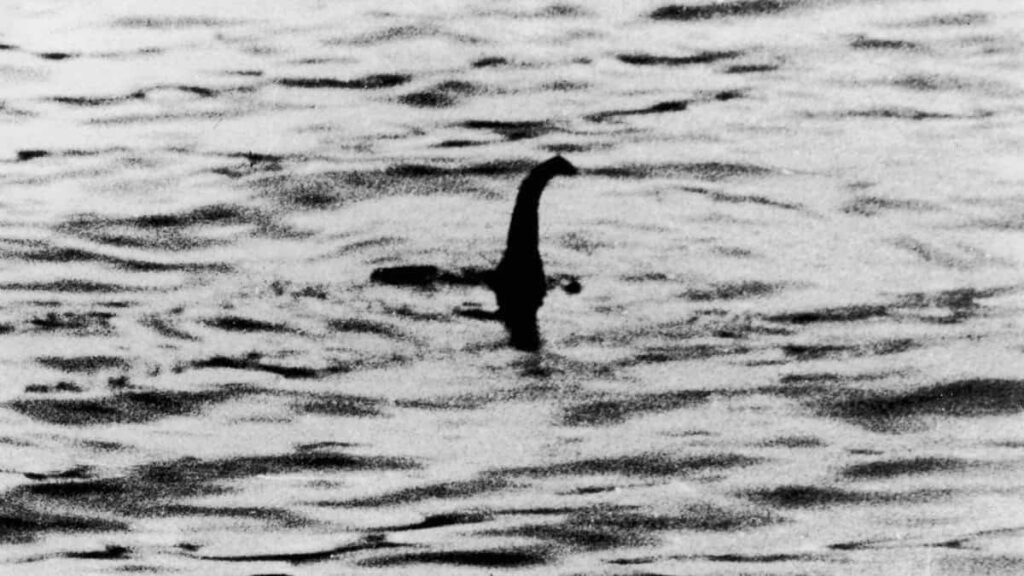
Deep within the mist-shrouded expanse of the Scottish Highlands lies the enigmatic Loch Ness, a vast and mysterious freshwater loch that has captivated the world’s imagination for centuries. This storied body of water is renowned not only for its breathtaking natural beauty but also for its association with one of the most famous cryptids in the world – the elusive Loch Ness Monster, affectionately known as “Nessie.”
Legends and tales of a mysterious, long-necked creature inhabiting the depths of Loch Ness have been passed down through generations, capturing the curiosity and wonder of people around the globe. The first modern sighting of Nessie was reported in the 1930s, sparking a fervent interest that has endured ever since. Theories and sightings abound, with countless individuals claiming to have seen glimpses of the elusive beast, often described as having a serpentine body and a series of humps breaking the water’s surface.
Despite numerous scientific investigations and extensive searches, conclusive evidence of Nessie’s existence remains frustratingly out of reach. Sophisticated sonar scans, underwater photography, and even DNA sampling have yet to provide definitive proof of the creature’s presence. Skeptics argue that many sightings can be attributed to misidentifications of common animals, floating debris, or even outright hoaxes. Nonetheless, the allure of the unknown continues to draw believers and adventurers to the shores of Loch Ness, each hoping to be the one to uncover the truth behind the legend.
The enduring mystery of the Loch Ness Monster adds a layer of intrigue to the already captivating landscape of Loch Ness. Whether viewed as a myth or a yet-to-be-discovered marvel, Nessie remains a symbol of the human fascination with the unknown, ensuring that the legend lives on, intriguing and inspiring curiosity for generations to come.