Maroilles
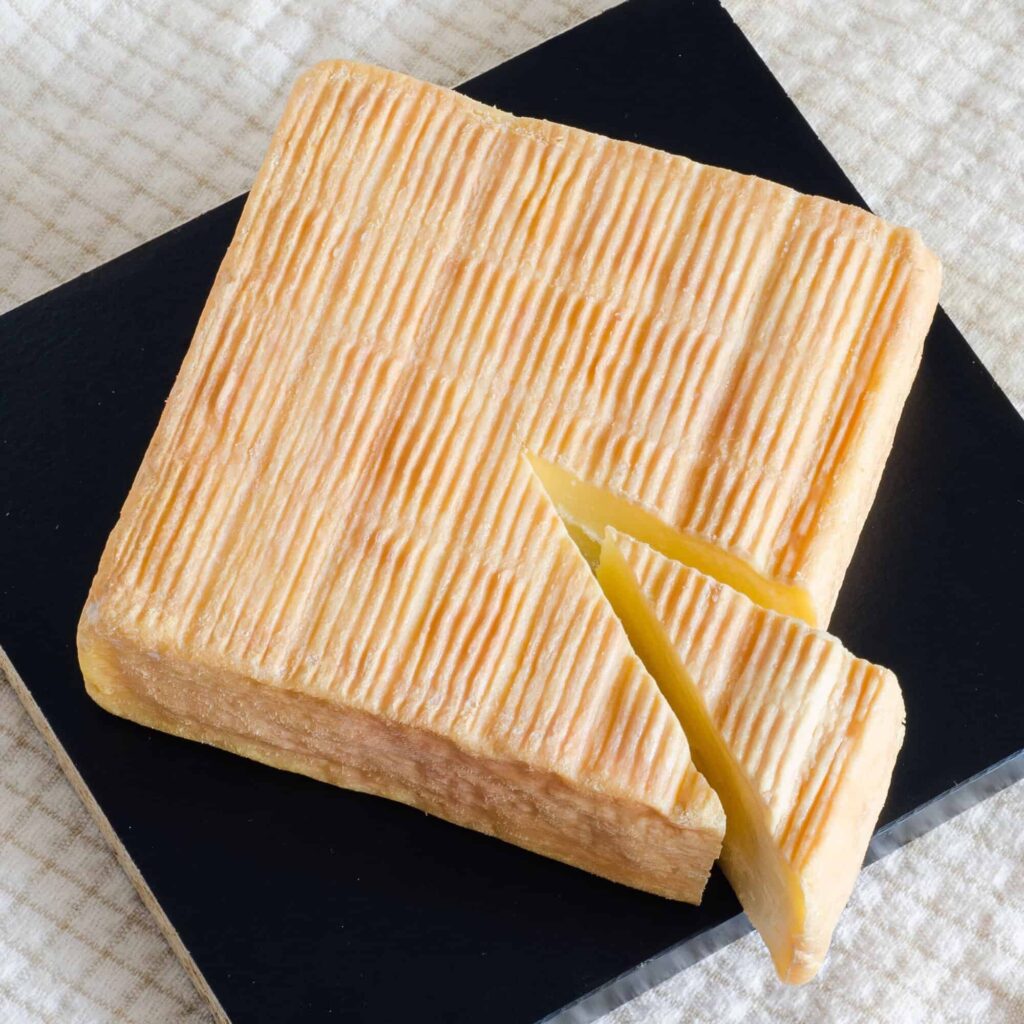
Maroilles, hailed as a quintessential French delicacy, is a cheese with a robust personality that leaves a lasting impression on the senses. Crafted from the rich milk of cows, this pungent fromage boasts a distinctive orange rind, its texture sticky to the touch, encasing a creamy interior that grows increasingly luscious and runny with age. Its flavor profile is bold and assertive, with a sharp tanginess and earthy undertones that can overwhelm the uninitiated palate.
Yet, it is not only Maroilles’ flavor that commands attention, but also its potent aroma, redolent of damp hay and musk, which lingers long after the last morsel has been savored. Despite its formidable reputation, Maroilles holds a cherished place in French culinary tradition, gracing the tables of discerning gourmands in dishes like tarte au Maroilles and Welsh rarebit.
For aficionados of intense and aromatic cheeses, Maroilles is a prized indulgence, best savored on its own or accompanied by robust counterparts like crusty bread, succulent grapes, or briny olives. Its distinctive taste and aroma offer a sensory journey unlike any other, inviting the adventurous palate to embark on an unforgettable culinary experience.
So, if you dare to venture into the realm of strong and aromatic cheeses, Maroilles beckons with its bold allure and lingering scent, promising a gastronomic adventure that is as daring as it is delicious.
Reblochon
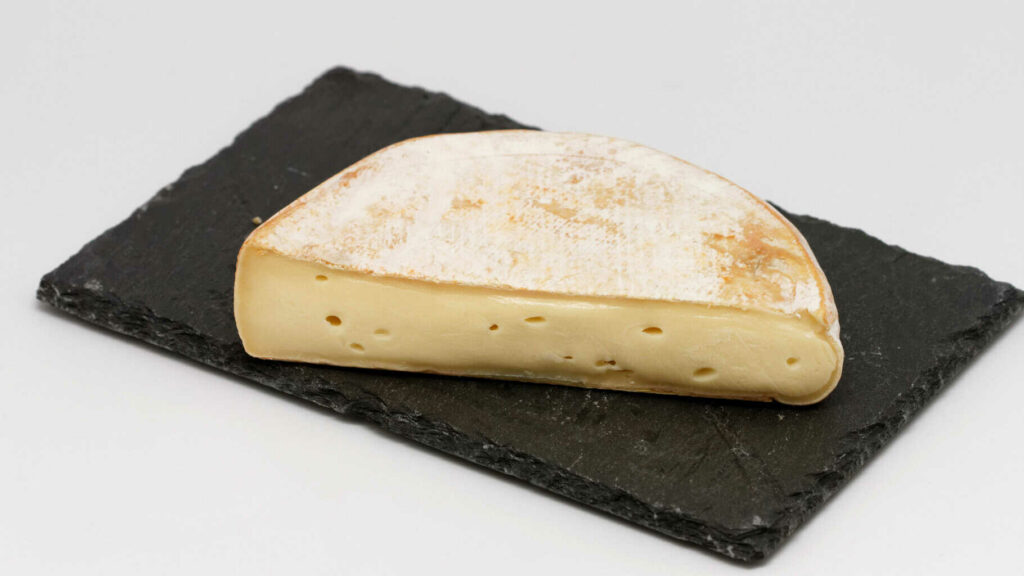
Hailing from the picturesque French Alps, Reblochon stands as a testament to the rich culinary heritage of the region. Crafted from the creamy, unpasteurized milk of cows grazing on alpine pastures, this artisanal cheese embodies a symphony of flavors and aromas that captivate the senses.
With its soft and yielding texture, Reblochon reveals a pale yellow interior that exudes a pungent aroma reminiscent of earthy undertones and subtle hints of nuttiness, accentuated by a delicate smokiness that lingers on the palate. Aged for approximately six weeks, this cheese undergoes a transformative journey, evolving into a masterpiece of culinary craftsmanship as its flavors mature and intensify over time.
Upon first taste, Reblochon unveils a bold and robust flavor profile characterized by a buttery richness and a nuanced interplay of sweet and tangy notes. Its complex essence unfolds with each bite, revealing a symphony of savory undertones and nutty nuances, punctuated by a distinctive mushroom-like essence that is quintessential to soft-ripened cheeses of its kind.
Renowned for its culinary versatility, Reblochon finds its place of honor in a myriad of traditional French dishes, where its bold flavors and creamy texture elevate classic recipes to new heights of gastronomic delight. From the indulgent layers of tartiflette to the comforting embrace of raclette, this cheese adds a touch of decadence to hearty fare, marrying seamlessly with potatoes, meats, and a medley of robust ingredients.
Despite its assertive aroma and bold flavor profile, Reblochon remains a beloved favorite among cheese connoisseurs both in France and across the globe. Its exquisite taste and unparalleled versatility render it a culinary gem worthy of exploration, promising a sensory journey that delights the palate and tantalizes the senses with each indulgent bite.
Livarot
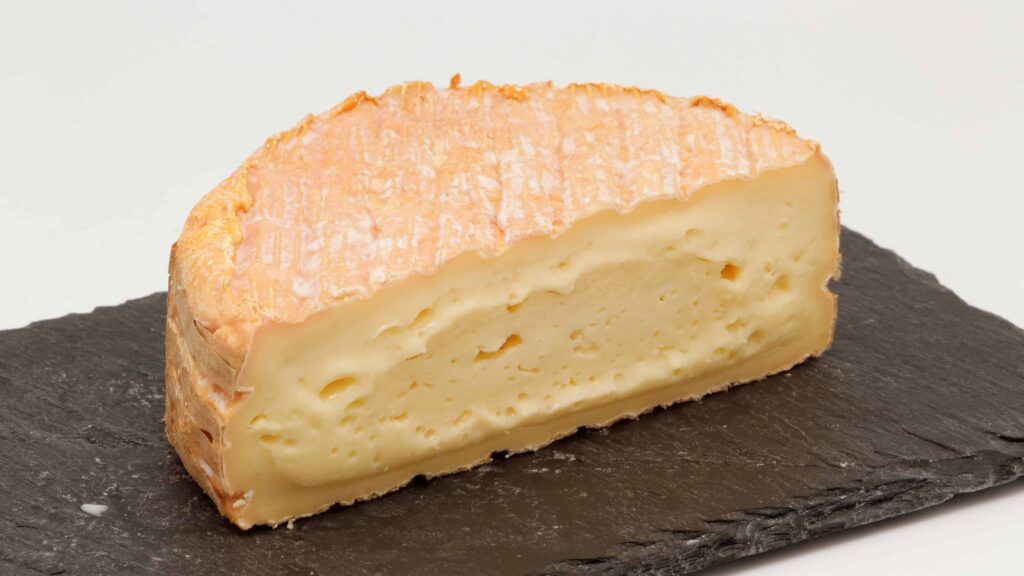
Hailing from the verdant pastures of Normandy, France, Livarot emerges as a bold and pungent cheese that tantalizes the taste buds with its rich flavors and distinctive characteristics. Crafted from the finest cow’s milk, this cheese undergoes a meticulous aging process, during which its orange-hued rind is bathed in brine to impart a unique depth of flavor and aroma.
As time passes, the interior of Livarot evolves into a lusciously creamy texture that verges on the brink of decadence, with each bite revealing a symphony of nuanced flavors. From its initial tanginess to its robust earthiness, this cheese embodies the quintessence of washed-rind varieties, leaving a lasting impression on the palate.
The aroma of Livarot is equally arresting, with a heady bouquet that evokes images of sun-drenched hayfields and damp forest floors. While its intense scent may be overpowering to some, connoisseurs of fine cheese will relish in its complexity and depth.
When it comes to pairing, Livarot shines alongside bold and assertive flavors, such as ripe figs, toasted walnuts, and savory cured meats. Its versatility extends beyond the cheese board, lending its robust character to a myriad of culinary creations, from creamy pasta dishes to decadent cheese soufflés.
For those with an adventurous palate and a penchant for the extraordinary, Livarot beckons as a cheese worth savoring. Its distinctive taste and aroma offer a sensory journey unlike any other, inviting gastronomic exploration and appreciation for the rich tapestry of flavors that define this venerable cheese from Normandy.
Pont l’Évêque
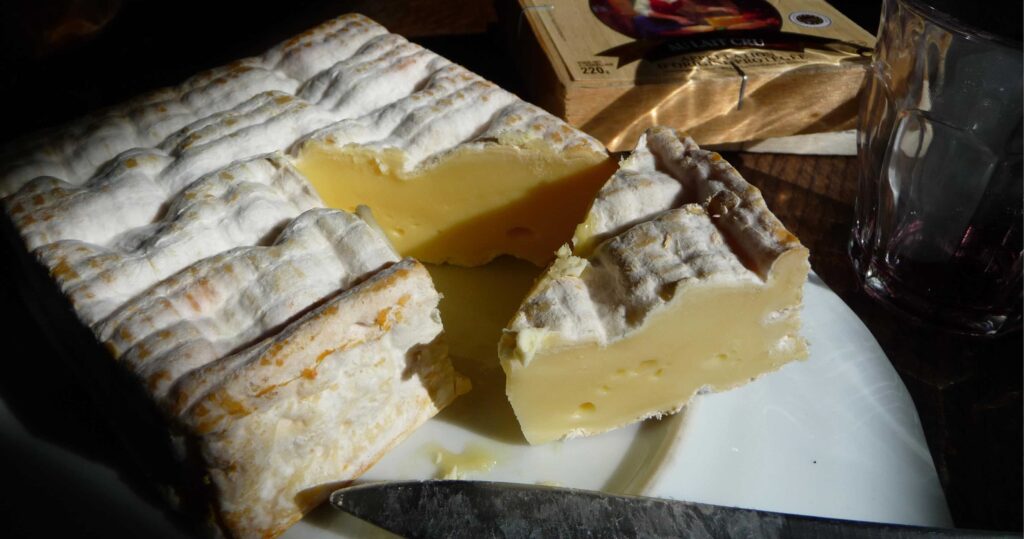
Originating from the verdant pastures of Normandy, France, Pont l’Évêque emerges as a velvety masterpiece among cheeses, renowned for its indulgent texture and captivating aroma. Crafted from the creamy milk of cows grazing in the lush French countryside, this cheese boasts a pale yellow interior ensconced within a rind delicately washed with brine during the maturation process.
As Pont l’Évêque matures, it develops a distinctive bouquet that tantalizes the senses with earthy undertones, hints of mushroom, and a subtle sweetness infused with a whisper of smokiness. Its flavor profile is a symphony of richness and buttery smoothness, punctuated by a tangy kick and a gentle nuttiness that lingers on the palate.
The texture of Pont l’Évêque is a testament to its artisanal craftsmanship, offering a luxurious mouthfeel that is soft, creamy, and supple. Its center, initially yielding with a hint of firmness, gradually gives way to a sumptuous runniness as the cheese matures, making it an exquisite choice for spreading on crusty bread, crackers, or pairing with ripe fruits.
Not to be overlooked, the edible rind of Pont l’Évêque contributes its own nuances to the cheese, imparting a subtle saltiness and savory depth that enhances the overall tasting experience.
Embraced by connoisseurs both in France and beyond, Pont l’Évêque is celebrated for its versatility and compatibility with a myriad of culinary companions. Whether accompanied by a glass of light, fruity red or a crisp, refreshing white wine, this cheese elevates any dining experience with its complexity and depth of flavor. Paired with nuts, dried fruits, or other savory delights, Pont l’Évêque transcends the ordinary, inviting discerning palates to savor its unique charms and revel in its unparalleled decadence.
Cabrales
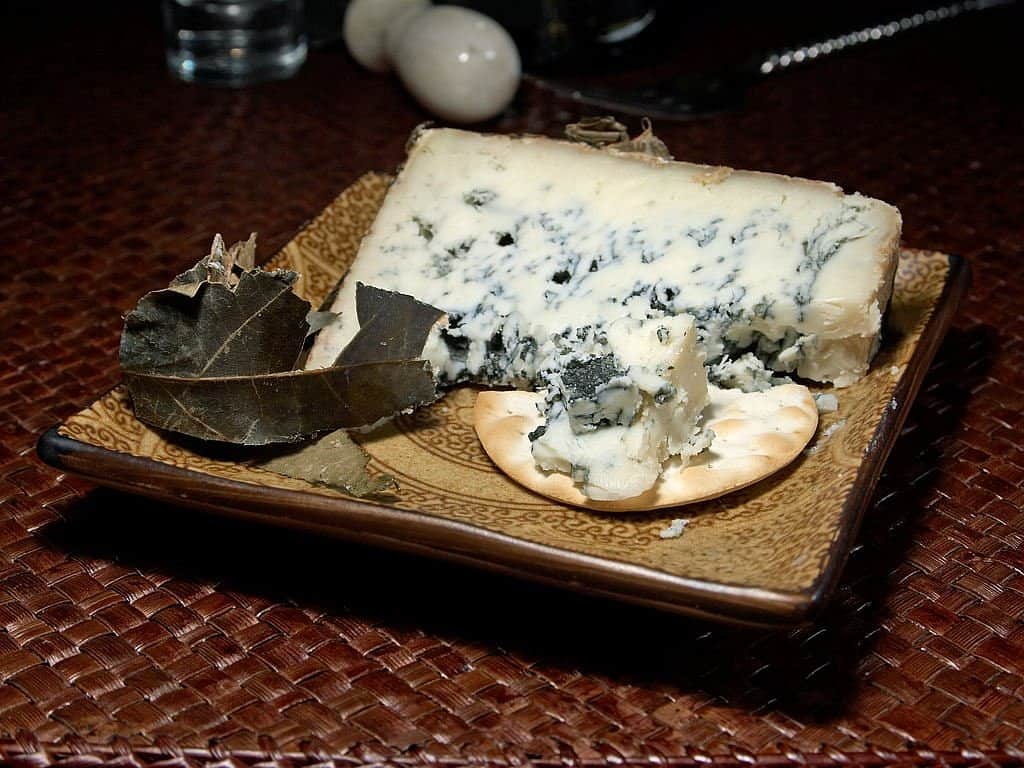
Cabrales, hailing from the verdant Asturias region of Spain, stands as a testament to centuries-old cheese-making traditions and the rich culinary heritage of the land. Renowned for its bold and robust flavor profile, Cabrales is a blue cheese crafted from a harmonious blend of cow, goat, and sheep’s milk, each contributing to its distinctive character. Its intense and pungent taste is further accentuated by the growth of blue-green veins, the result of carefully nurtured mold spores that flourish during the cheese’s aging process, typically spanning 2 to 5 months within the natural confines of ancient caves.
With its crumbly texture and assertive aroma reminiscent of damp caverns and earthy mushrooms, Cabrales captivates the senses with its sharp tanginess balanced by a creamy sweetness. This culinary gem finds perfect companionship in strong red wines such as Rioja, as well as the delicate sweetness of apples and pears. Beyond mere accompaniments, Cabrales takes center stage in traditional Spanish fare, elevating dishes like the hearty Asturian bean stew and enriching sauces like the indulgent Cabrales sauce, a luscious blend of melted cheese infused into a velvety concoction often drizzled over succulent steak or golden potatoes.
Steeped in history and cultural significance, Cabrales bears the name of its birthplace, the quaint town of Cabrales, where time-honored techniques and artisanal craftsmanship converge to produce cheese of unparalleled quality. Protected by a designation of origin, Cabrales ensures authenticity, guaranteeing that only milk sourced from the Asturias region and crafted with traditional methods earns the esteemed title of this illustrious cheese. Indeed, Cabrales stands as a testament to the artistry and dedication of cheese-makers, embodying the essence of Spanish gastronomy and earning its place among the world’s finest blue cheeses.
Stilton
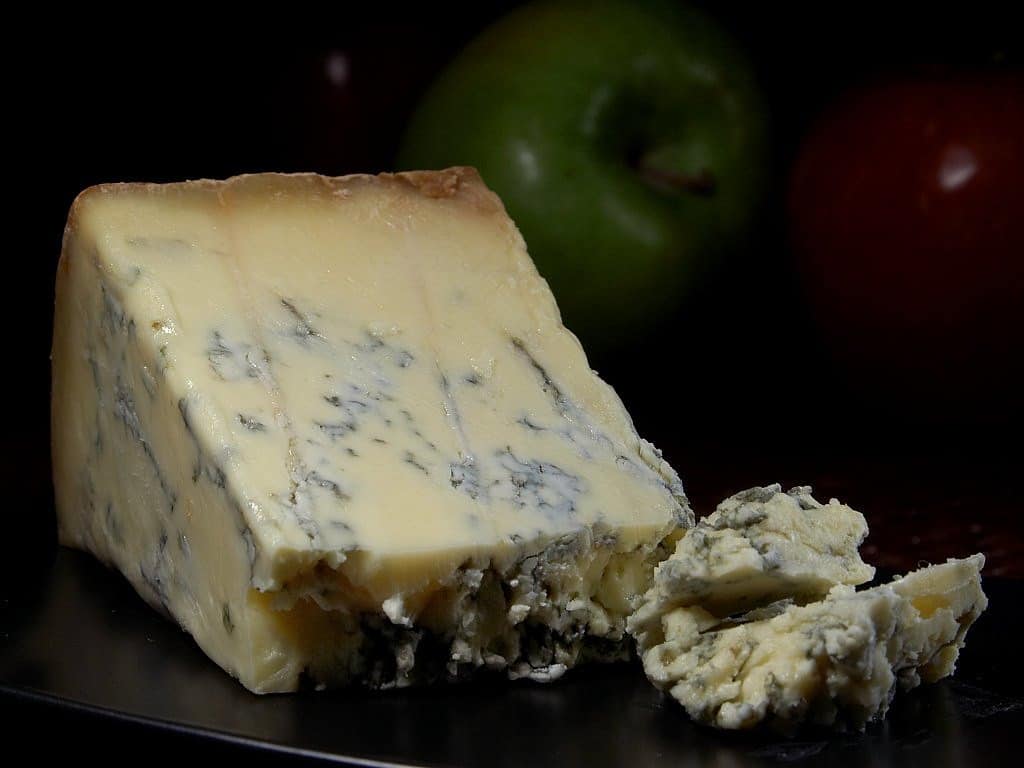
Stilton, hailed as a quintessential blue cheese, holds a place of honor in the gastronomic landscape of the United Kingdom, particularly in the pastoral counties of Derbyshire, Leicestershire, and Nottinghamshire where its rich legacy thrives. Revered for its velvety texture and distinctive blue veins, Stilton owes its characteristic appearance to a meticulous aging process that involves piercing the cheese with stainless steel needles, allowing for the development of its signature flavor profile.
The taste of Stilton is a symphony of bold complexity, featuring a tangy and subtly spicy undertone juxtaposed with a creamy sweetness that tantalizes the palate. Its aroma, equally captivating, evokes a sense of rustic charm with earthy notes of hay, grass, and the musty embrace of damp caves.
Crafted in accordance with stringent regulations, Stilton’s production is confined to the confines of its native counties, ensuring authenticity and adherence to tradition. Made from the finest pasteurized cow’s milk, the cheese undergoes a meticulous curdling process with rennet before being molded, drained, and left to mature in a cool, humid environment. Regular turning and piercing of the cheese foster the growth of mold, imparting Stilton with its iconic blue veins and enhancing its flavor profile.
Versatile in its application, Stilton lends itself effortlessly to a myriad of culinary creations. It serves as a delightful companion to sweet accompaniments such as crisp apples, succulent pears, and an array of nuts, while its robust flavor pairs exquisitely with full-bodied red wines like port or shiraz. From enriching creamy pasta sauces to adorning salads and sandwiches with its bold tang, Stilton reigns supreme as a versatile ingredient that elevates any dish to gourmet heights.
Gorgonzola

Gorgonzola, a renowned blue cheese originating from the Lombardy region of Italy, is a culinary delight cherished by cheese aficionados worldwide. Crafted from cow’s milk, this soft, crumbly cheese boasts intricate veins of blue-green mold coursing through its velvety interior. Its distinctively sharp and tangy flavor is complemented by subtle nutty undertones, while its creamy texture renders it a prized ingredient in a plethora of culinary creations, including sauces, dressings, and dips.
Aged for approximately 3 to 4 months, Gorgonzola undergoes a transformative journey during which it acquires its characteristic taste and aroma. Distinguished by its nuanced profile, Gorgonzola comes in two main varieties: Dolce and Piccante. Dolce Gorgonzola, aged for a shorter duration, exhibits a milder flavor and a lusciously creamy texture, whereas Piccante Gorgonzola, aged for a more extended period, boasts a sharper, more robust taste.
Versatility is a hallmark of Gorgonzola’s culinary prowess, as it seamlessly enhances an array of dishes. Whether savored on its own, paired with succulent fruits like pears and figs, or delicately crumbled atop salads and pizzas, Gorgonzola elevates every culinary creation it graces.
Furthermore, Gorgonzola finds harmony with an assortment of wines, including full-bodied reds like Barolo and Amarone, as well as sweet dessert wines such as Moscato d’Asti. Its versatility extends to traditional Italian fare, where it lends its distinctive flavor to dishes like risotto, pasta sauces, and gnocchi. Melted over steaks or grilled vegetables, Gorgonzola infuses dishes with depth and richness, delighting palates with its unparalleled taste.
In essence, Gorgonzola stands as a testament to the artistry of cheese-making, captivating taste buds with its unparalleled flavor profile and enriching culinary experiences with its unparalleled versatility.
Taleggio

Taleggio stands as a proud representative of Italian cheese-making tradition, celebrated for its distinctively pungent aroma and tangy flavor profile. Crafted from the milk of cows, this cheese boasts a thin, washed rind that often flaunts hues of reddish-orange, adding to its visual allure. Its texture is a testament to its artisanal craftsmanship, starting out creamy and buttery, then gradually softening and becoming more spreadable with age.
As a semi-soft cheese, Taleggio truly shines when served at room temperature, inviting diners to savor its velvety texture either by slicing it delicately or spreading it generously atop freshly baked bread. Its versatile nature extends to its pairing possibilities, harmonizing effortlessly with an array of culinary companions such as cured meats, briny olives, and the robust notes of fruity red wines like Barbera or Dolcetto.
Delving into the sensory experience of Taleggio reveals a richness and complexity that captivates the palate. Its tangy, slightly sweet undertones are beautifully complemented by hints of nuttiness, while its bold aroma adds an extra dimension to its allure, especially when fully ripe. Despite its robust scent, Taleggio remains beloved by cheese connoisseurs for its bold flavor and luscious texture.
The culinary versatility of Taleggio knows no bounds, making it a beloved ingredient in a myriad of dishes. Whether melted into a gooey grilled cheese sandwich, crumbled over a crisp salad, or integrated into hearty pasta, risotto, or pizza recipes, Taleggio elevates every culinary creation it touches, infusing depth and richness into each bite.
For cheese aficionados and culinary enthusiasts alike, Taleggio is a true delight, offering a symphony of flavors and textures that is simply irresistible. With its unparalleled versatility and unparalleled ability to enhance any dish, Taleggio stands as a timeless testament to the artistry of Italian cheese-making.
Munster
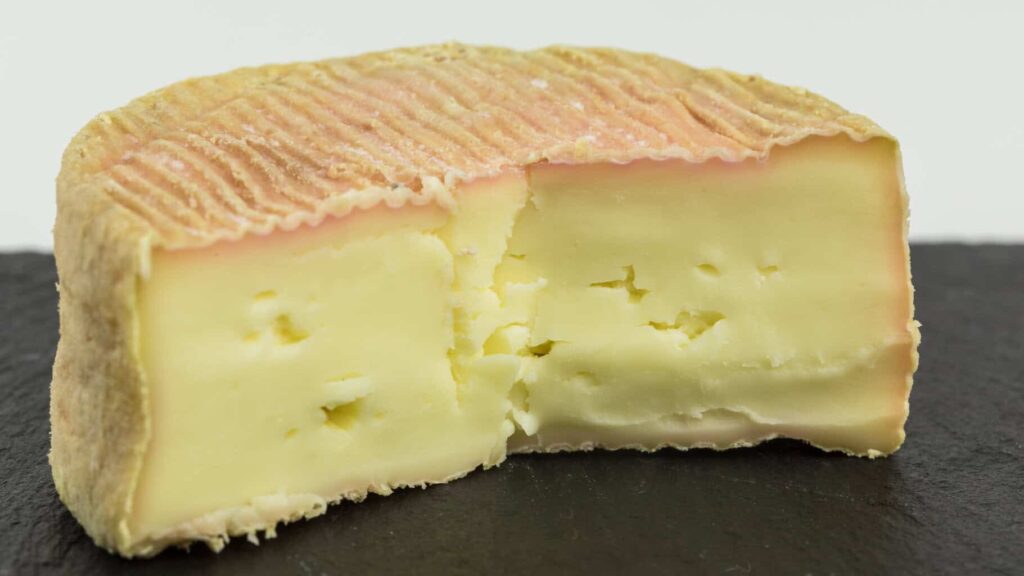
Munster, a delectable French cheese originating from the picturesque Vosges Mountains region of Alsace, boasts a rich heritage dating back centuries. Crafted from cow’s milk, this soft cheese is renowned for its pungent aroma and distinctive flavor profile. Its characteristic orange rind, achieved through a meticulous process of brine washing during aging, serves as a testament to its traditional craftsmanship.
The aging journey of Munster unfolds over a span of three to eight weeks, as the cheese matures in a humid environment conducive to the growth of bacteria responsible for its robust aroma and complex taste. Despite its assertive scent, Munster offers a palate-pleasing experience with its creamy texture and nuanced flavor, featuring subtle notes of sweetness, nuttiness, and earthiness, accented by hints of butter.
Traditionally served at room temperature, Munster pairs harmoniously with an array of accompaniments, including crusty bread, tangy pickles, and savory cured meats like ham or salami. In the culinary realm, it shines as a star ingredient in beloved Alsatian dishes such as tarte flambée and choucroute garnie, adding depth and richness to these regional specialties.
With origins tracing back to the 7th century and rooted in the historic town of Munster, nestled within the Vosges Mountains, this esteemed cheese holds a cherished place in French gastronomy. Protected by the French government under the PDO (Protected Designation of Origin) designation, Munster cheese embodies a legacy of artisanal excellence, ensuring that each wheel adheres to stringent standards, delivering the same unparalleled flavor and aroma that has captivated cheese aficionados for generations.
Roquefort
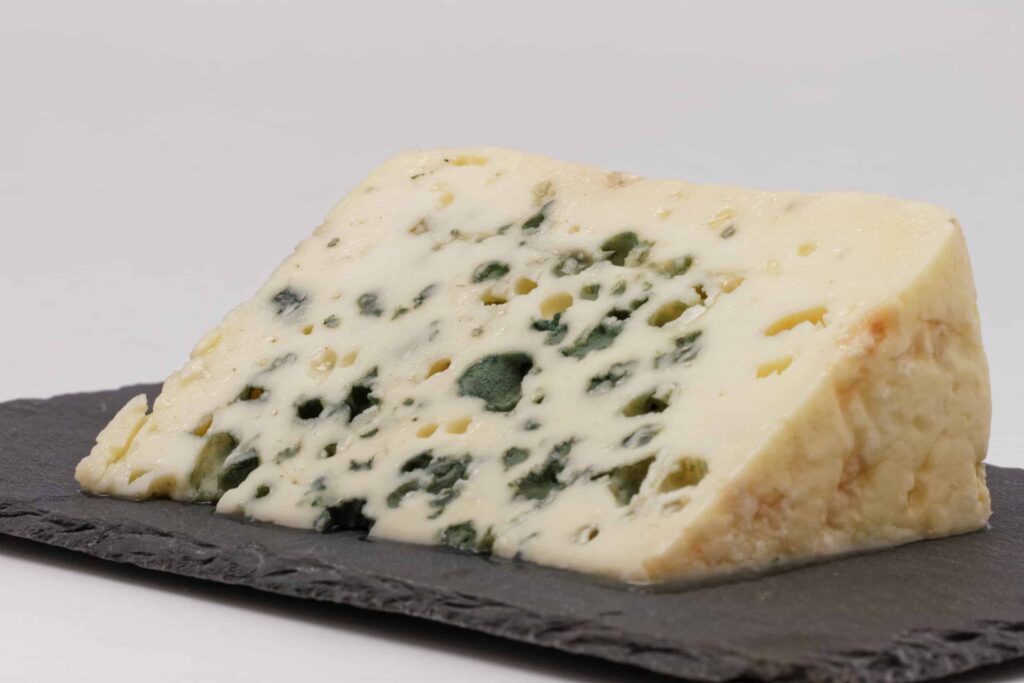
Roquefort, a celebrated blue cheese originating from the sun-kissed landscapes of southern France, holds a distinguished status among cheese aficionados worldwide. Crafted from the rich and creamy milk of sheep, this cheese bears the hallmark blue-green veins, a testament to the intricate dance of penicillium bacteria during its meticulous aging process. The result is a cheese of unparalleled character, boasting a crumbly texture that yields to a bold and pungent flavor profile.
With each savory bite, Roquefort unveils a symphony of tastes—a sharp and salty tang tempered by a luscious sweetness that caresses the palate. Its robust aroma evokes images of ancient caves and earthy mushrooms, transporting the senses to the heart of the rugged Roquefort-sur-Soulzon region where it is meticulously crafted.
Protected by stringent guidelines, Roquefort is aged in the limestone caverns of its namesake region, imbuing it with a distinctive terroir that cannot be replicated elsewhere. This cherished cheese is not merely a culinary delight but a cultural icon, boasting a rich legacy that spans millennia.
Versatile in its application, Roquefort lends itself effortlessly to a myriad of culinary creations. Whether enjoyed on its own or as a harmonious complement to a larger ensemble, it pairs exquisitely with an array of flavors. From the sweetness of succulent grapes and figs to the hearty embrace of artisanal bread and crackers, Roquefort elevates any dining experience to new heights.
Whether adorning salads, enhancing dips, or enriching sauces, Roquefort’s presence in the culinary world is undeniable. Its storied history and unparalleled flavor profile continue to captivate the palates of cheese enthusiasts around the globe, solidifying its status as a timeless treasure in the realm of gastronomy.
Limburger
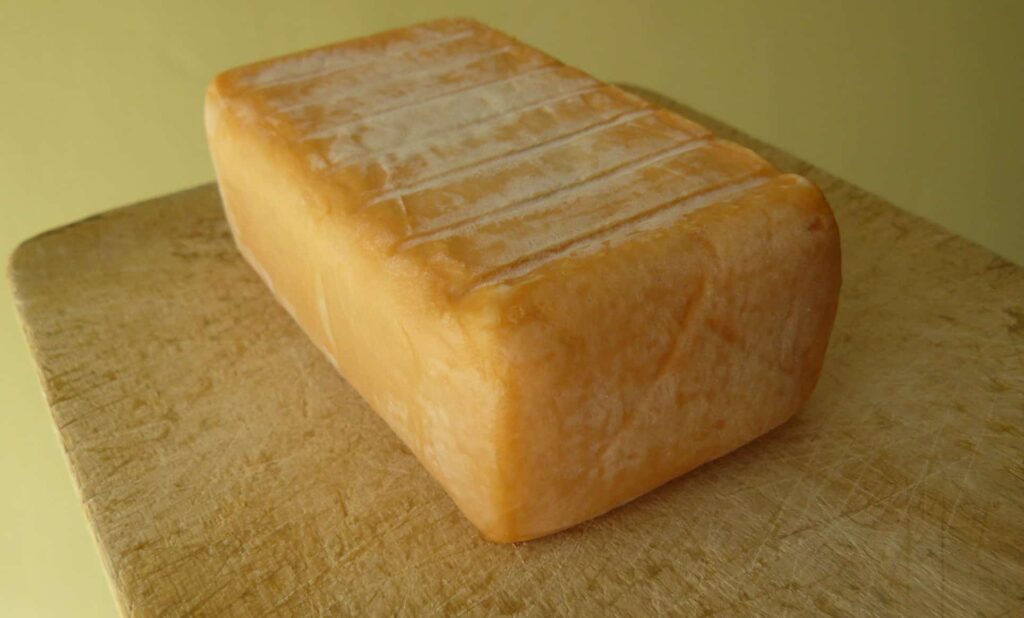
Limburger cheese, hailing from the verdant pastures of the Belgian province of Limburg, is a culinary delight steeped in history and renowned for its bold character. Crafted from cow’s milk, this pungent cheese boasts a soft, creamy texture and a distinctive yellowish interior encased in a reddish-brown rind teeming with bacteria. Its aroma, often likened to a potent blend of garlic, feet, and barnyard, precedes its arrival, announcing its presence with authority.
As Limburger matures, its tangy and salty flavor intensifies, evolving into a robust symphony of taste that tantalizes the palate. Bestowed with an assertive personality, Limburger is not for the faint of heart but rather for the adventurous souls who revel in the complexity of bold and challenging flavors.
The production journey of Limburger is a labor of love, involving the careful inoculation of cheese curds with bacteria that contribute to its distinctive aroma and flavor profile. Aging gracefully over several weeks to months, the cheese undergoes a transformative process as the bacteria work their magic, breaking down fats and proteins to create a creamy texture and an unparalleled depth of flavor.
Dating back to the 19th century, Limburger cheese has etched its place in culinary lore, captivating palates across continents. Its popularity soared in the early 20th century in the United States, where it found its way onto sandwiches and snack platters, cementing its status as a culinary icon.
Today, Limburger continues to captivate cheese connoisseurs worldwide, gracing specialty cheese shops and markets with its unmistakable presence. While its robust aroma may divide opinions, Limburger remains an emblem of boldness and complexity, commanding admiration from those who dare to embrace its distinctive allure.
Époisses
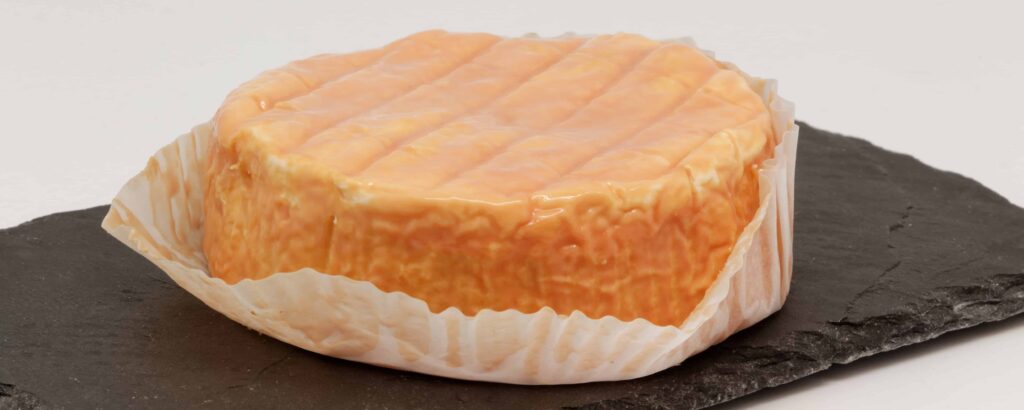
Époisses stands as a quintessential emblem of French culinary heritage, hailing from the storied Burgundy region of France. Crafted from the luscious milk of cows, this soft cheese bears an unmistakable allure, distinguished by its vibrant orange rind, lovingly bathed in brine and marc de Bourgogne during the maturation process. Its velvety texture, reminiscent of satin, envelops a bold and complex flavor profile, characterized by robust notes of the earth, earning it descriptors such as “barnyard” or “earthy.” The aroma, too, is a symphony of intensity, evoking images of damp earth and wild mushrooms.
Pairing Époisses with wine is an art form in itself, with bold and full-bodied reds such as Burgundy or Pinot Noir serving as perfect companions to its rich and tangy essence. To fully savor its splendor, Époisses is best enjoyed at room temperature, allowing its flavors to unfold with each indulgent bite.
The versatility of Époisses extends beyond mere accompaniments; it shines as a star ingredient in an array of culinary creations. Whether spread atop crusty bread or crackers, paired with succulent grapes or figs, or melted into a decadent topping for baked potatoes or savory tarts, Époisses lends its distinct character to every dish it graces.
This cheese boasts a storied past, with origins dating back to the 16th century. Despite facing near-extinction, it was lovingly revived by a dedicated cadre of cheesemakers in the 20th century. Today, Époisses stands as a testament to resilience and artistry, revered as one of France’s most cherished gastronomic treasures, adored by connoisseurs worldwide for its unparalleled taste and timeless appeal.