Chayote
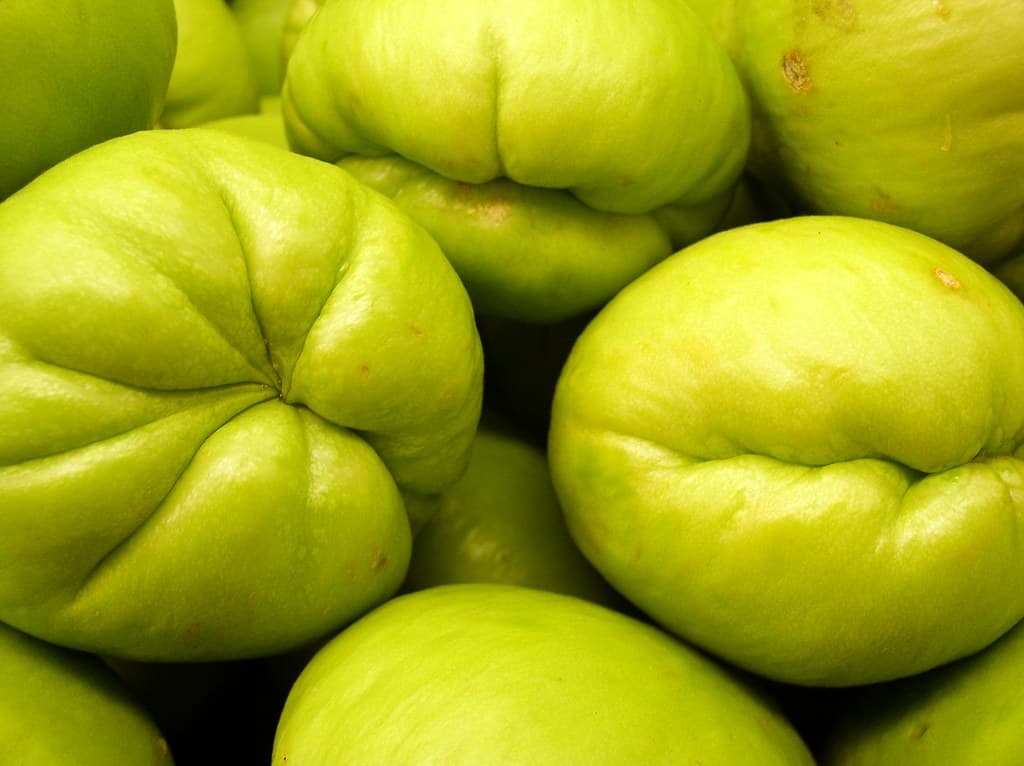
Our next stop introduces us to the chayote, a vegetable-fruit that originates from Mesoamerica but is now enjoyed worldwide. Also known as vegetable pear or mirliton, the chayote belongs to the gourd family and features a pale green, wrinkled skin.
The chayote has a mild and crisp flavor, similar to a cross between a cucumber and a zucchini. Its versatile nature allows it to be enjoyed both raw and cooked, making it a fantastic addition to salads, stir-fries, soups, and stews. The texture remains crunchy even after cooking, adding a refreshing element to various dishes.
Besides its culinary versatility, chayote offers several health benefits. It is low in calories and a good source of dietary fiber, aiding in digestion and weight management. The vegetable also contains essential nutrients such as potassium, vitamin C, and folate, supporting heart health, immune function, and cell growth.
Salak
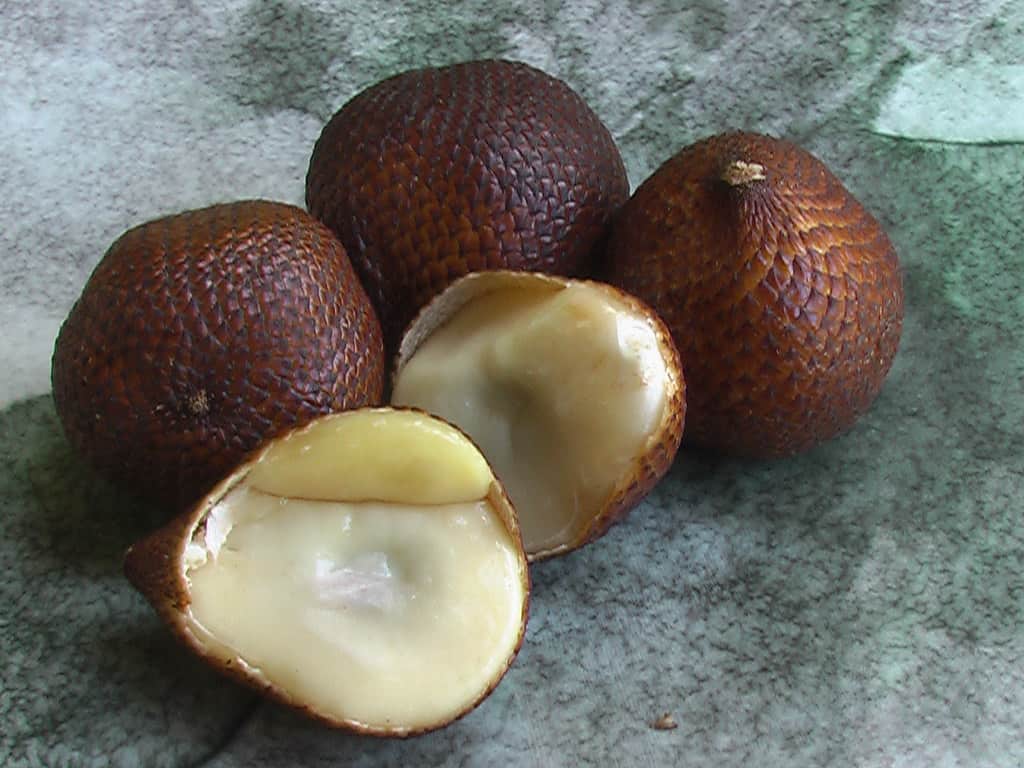
Our next destination takes us to the tropical regions of Southeast Asia, where we encounter the fascinating salak, also known as snake fruit. This fruit derives its name from its reddish-brown scaly skin, resembling snake scales, giving it a distinctive and intriguing visual appeal.
Peeling away the scaly skin reveals a cluster of small, white segments that resemble garlic cloves. The taste of salak is often described as a combination of sweet and sour, with a slight tanginess. It offers a unique textural experience, with a crisp and fibrous flesh that can be enjoyed as a snack or used in various culinary creations.
Beyond its unusual appearance and taste, salak offers several health benefits. It is rich in antioxidants, vitamins A and C, as well as minerals like potassium and iron. Salak is also known to have antimicrobial properties, aiding in the prevention of bacterial and fungal infections.