Dragon Fruit
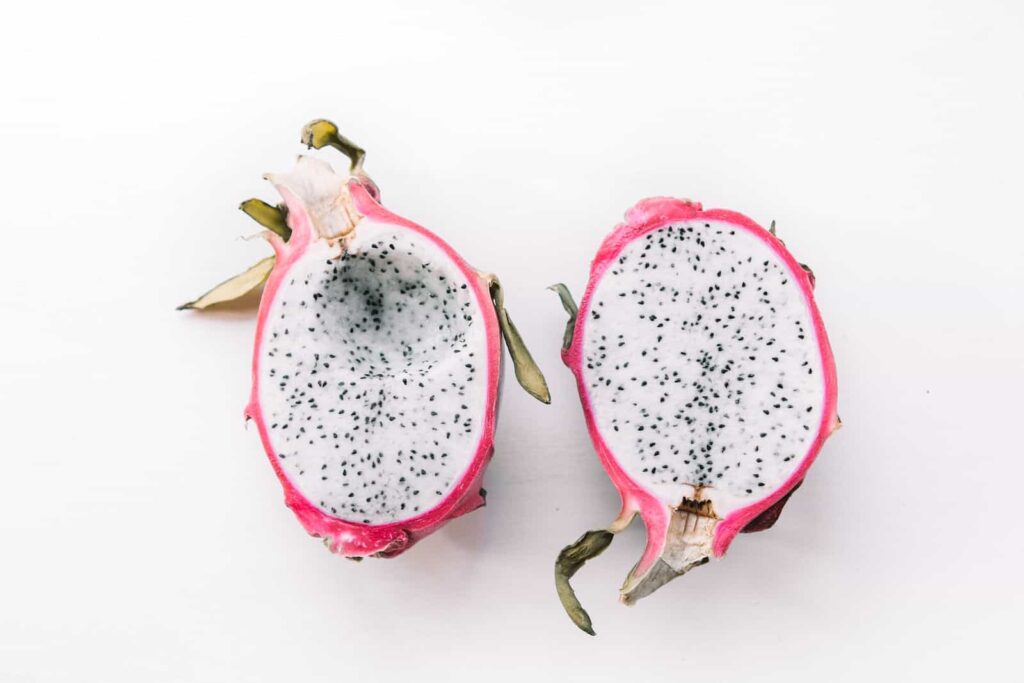
Our first stop on this exotic fruit adventure is the visually stunning and captivating Dragon Fruit. Also known as pitaya, this fruit derives its name from its vibrant appearance resembling the scales of a mythical dragon. Native to Central and South America, it has gained popularity worldwide for its unique taste and nutritional benefits.
Dragon fruits come in different varieties, but the most common ones have vibrant pink or yellow skin, often covered in scales or spikes. Once sliced open, the flesh reveals a contrasting white or magenta interior, peppered with small black seeds. The taste can be described as a mildly sweet blend of kiwi and pear, making it a delightful addition to fruit salads, smoothies, or even enjoyed on its own.
Apart from its exotic appearance and taste, dragon fruit packs numerous health benefits. It is rich in antioxidants, vitamin C, and dietary fiber, promoting a healthy immune system and aiding digestion. Moreover, dragon fruit is known to contain beneficial plant compounds like phytoalbumins, which have shown potential in reducing oxidative stress and inflammation.
Durian
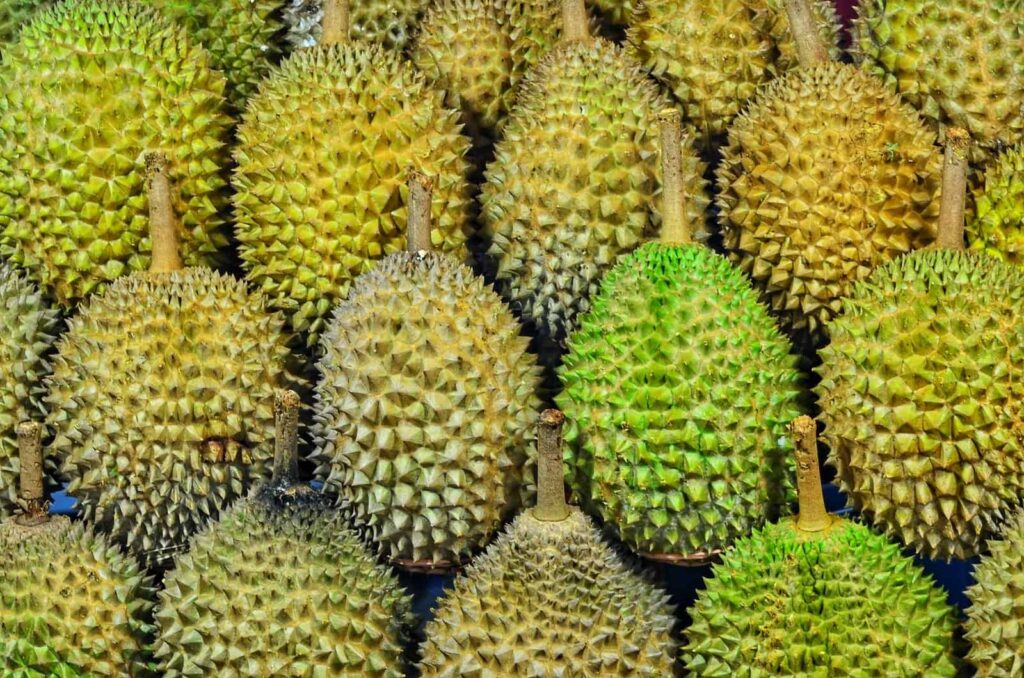
Moving on to a fruit with a divisive reputation, we encounter the “king of fruits” – the infamous durian. Revered by some and loathed by others, this tropical fruit is hailed for its distinct flavor and pungent aroma. Native to Southeast Asia, durian is characterized by its thorny husk, which encases creamy yellow flesh segments.
Durian has a reputation for its strong smell, often compared to a mix of sweet custard and onions. While the scent may deter some, those who brave the aroma are rewarded with a unique taste experience. The flavor of durian is complex, with hints of sweetness, creaminess, and a slightly savory undertone. It has been likened to a combination of banana, mango, and vanilla, creating a truly unforgettable culinary encounter.
Beyond its polarizing taste and aroma, durian is a nutrient powerhouse. It contains high levels of potassium, dietary fiber, and various vitamins and minerals, including vitamin C, vitamin B complex, and iron. Additionally, durian is known for its potential to improve digestion, enhance skin health, and boost energy levels. While it may be an acquired taste, durian continues to fascinate and entice adventurous food enthusiasts worldwide.
Rambutan
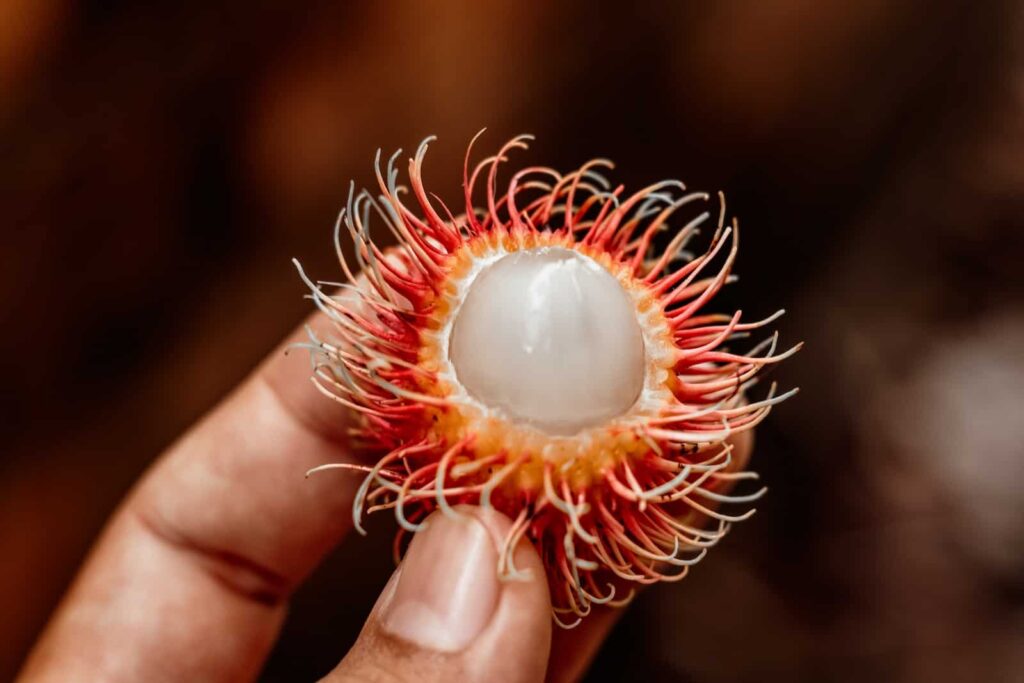
The rambutan, an exotic fruit native to Southeast Asia. With its hairy exterior and juicy, translucent flesh, the rambutan is an intriguing fruit that has captured the hearts and palates of many.
Rambutans are small, round fruits covered in soft, spiky hairs, which give them their unique appearance. Upon peeling away the hairy shell, a luscious, grape-like fruit is revealed, complete with a central seed. The flesh of the rambutan is sweet and juicy, reminiscent of lychee, with a subtle floral note. It can be enjoyed as a snack, added to fruit salads, or used as an ingredient in refreshing beverages.
Not only is rambutan a delightful tropical treat, but it also offers several health benefits. It is a rich source of vitamin C, providing a substantial antioxidant boost that helps strengthen the immune system and promote collagen production for healthy skin. Rambutan also contains essential minerals like iron and phosphorus, which contribute to maintaining bone health and improving blood circulation.
Mangosteen
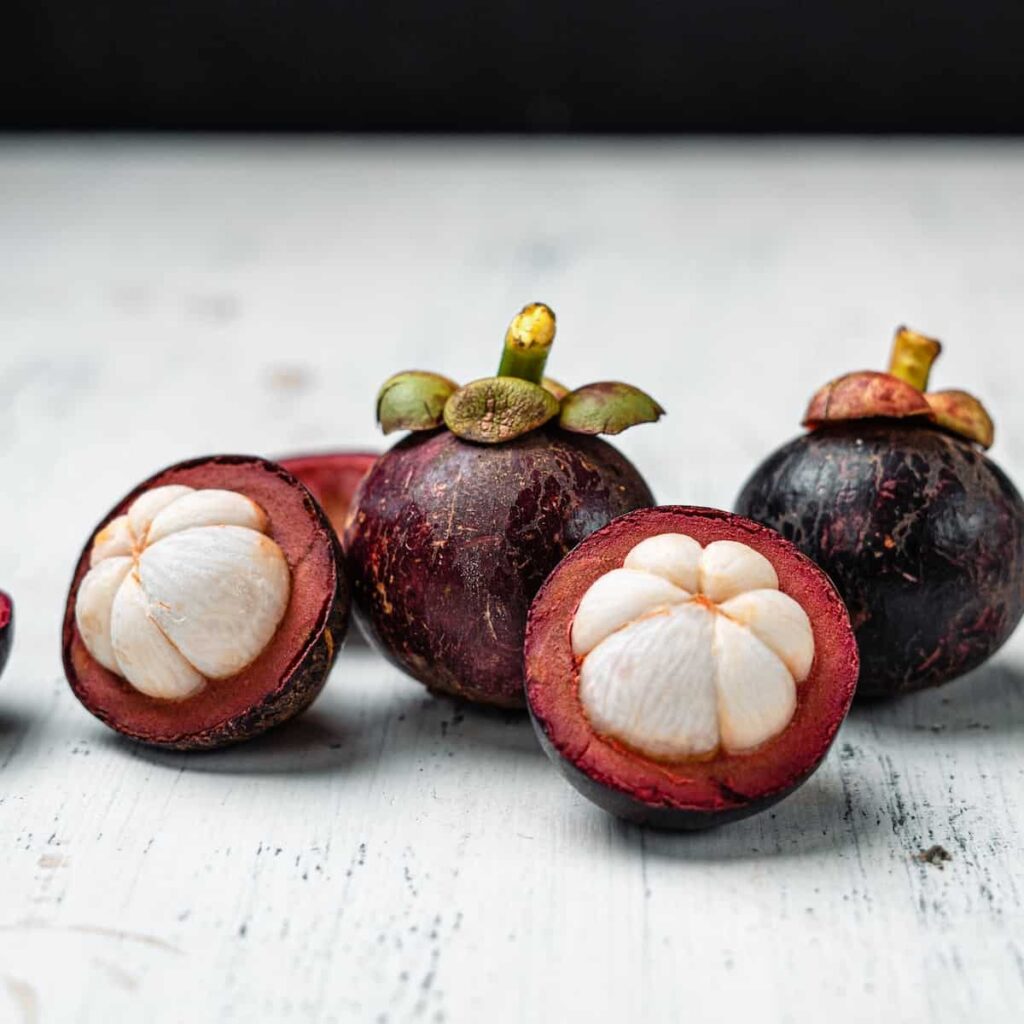
Our next stop takes us to the tropical regions of Southeast Asia, where we encounter the mangosteen—a fruit renowned for its exquisite taste and remarkable health benefits. Often referred to as the “queen of fruits,” the mangosteen features a thick, purple rind that protects the juicy white flesh segments contained within.
When the rind is gently cracked open, one is greeted with a succulent and slightly acidic flesh that melts in the mouth, leaving behind a delicate sweetness. The flavor profile of mangosteen is often described as a combination of peach, strawberry, and citrus, creating a harmonious symphony of taste. Whether enjoyed on its own or added to salads and desserts, the mangosteen never fails to captivate with its refreshing and tropical allure.
Beyond its delectable taste, the mangosteen offers a wealth of health benefits. It contains a potent antioxidant called xanthones, which are known for their anti-inflammatory and immune-boosting properties. Mangosteen is also a rich source of fiber, vitamin C, and various minerals, contributing to improved digestion, strengthened immunity, and enhanced overall well-being.
Horned Melon
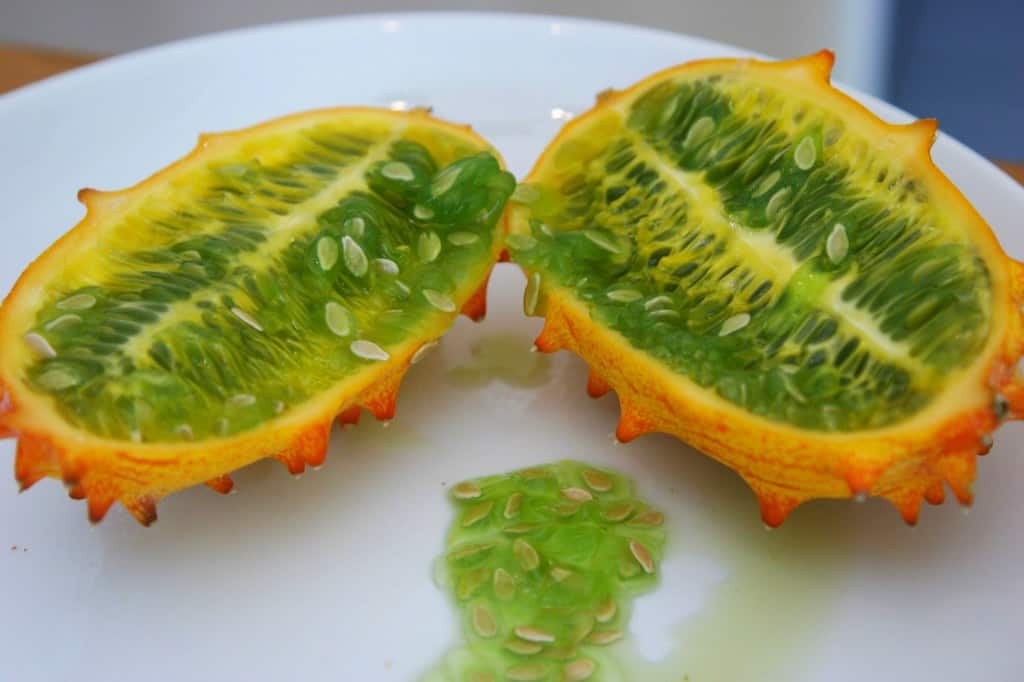
Our next unusual fruit hails from the sandy plains of Sub-Saharan Africa and is known by many names, including horned melon, kiwano, or African horned cucumber. Its distinct appearance, characterized by a spiky, orange-yellow skin and vibrant green flesh studded with edible seeds, instantly grabs attention.
Slicing open the horned melon reveals a gelatinous, jelly-like interior with a tangy and slightly citrusy flavor. The taste can be compared to a mix of banana, cucumber, and lime, offering a unique and refreshing sensory experience. The horned melon is commonly used in fruit salads, smoothies, or as a decorative garnish, adding an exotic touch to culinary creations.
Apart from its striking appearance and intriguing taste, the horned melon boasts several health benefits. It is a good source of vitamins A and C, as well as potassium and magnesium. Additionally, the high water content of the fruit aids in hydration, while the presence of antioxidants supports overall health and may help reduce the risk of chronic diseases.
Jabuticaba
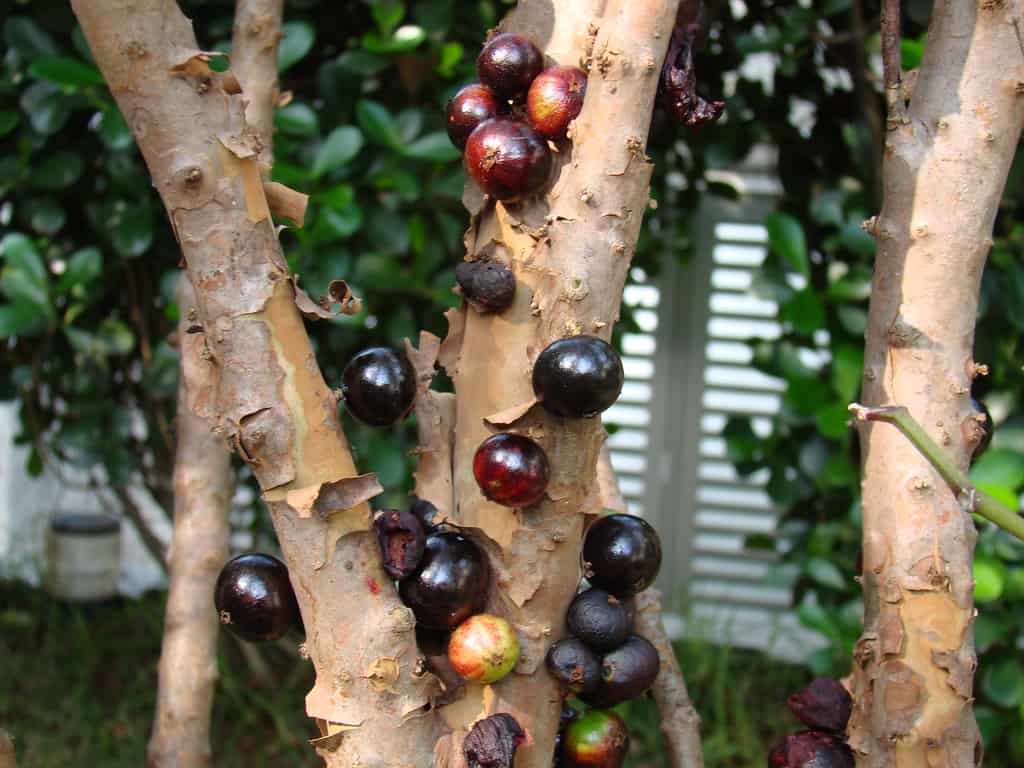
Our next destination on this exotic fruit journey brings us to Brazil, where we encounter the intriguing and delicious jabuticaba. This unique fruit grows directly on the trunk of the jabuticabeira tree, giving it an otherworldly appearance that is sure to captivate the imagination.
Jabuticabas are small, dark purple fruits with a thick skin that encases a soft, juicy pulp and a few large seeds. The flavor of the jabuticaba is reminiscent of a cross between grapes and lychee, with a subtle tartness. It can be eaten fresh, used in jams and jellies, or even fermented to make wine.
Beyond its delightful taste, jabuticaba possesses numerous health benefits. It is a rich source of antioxidants, including anthocyanins, which contribute to the fruit’s vibrant purple color and have been associated with various health advantages. Jabuticaba is also a good source of vitamins A, C, and E, as well as minerals like calcium and phosphorus.
Chayote
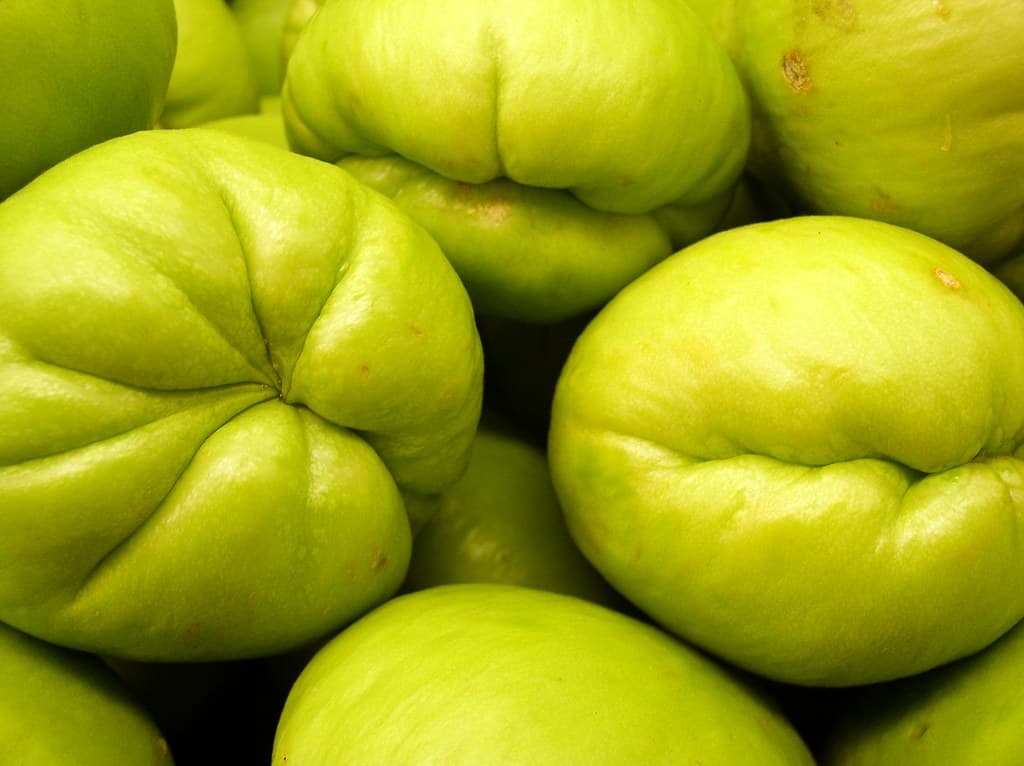
Our next stop introduces us to the chayote, a vegetable-fruit that originates from Mesoamerica but is now enjoyed worldwide. Also known as vegetable pear or mirliton, the chayote belongs to the gourd family and features a pale green, wrinkled skin.
The chayote has a mild and crisp flavor, similar to a cross between a cucumber and a zucchini. Its versatile nature allows it to be enjoyed both raw and cooked, making it a fantastic addition to salads, stir-fries, soups, and stews. The texture remains crunchy even after cooking, adding a refreshing element to various dishes.
Besides its culinary versatility, chayote offers several health benefits. It is low in calories and a good source of dietary fiber, aiding in digestion and weight management. The vegetable also contains essential nutrients such as potassium, vitamin C, and folate, supporting heart health, immune function, and cell growth.
Salak
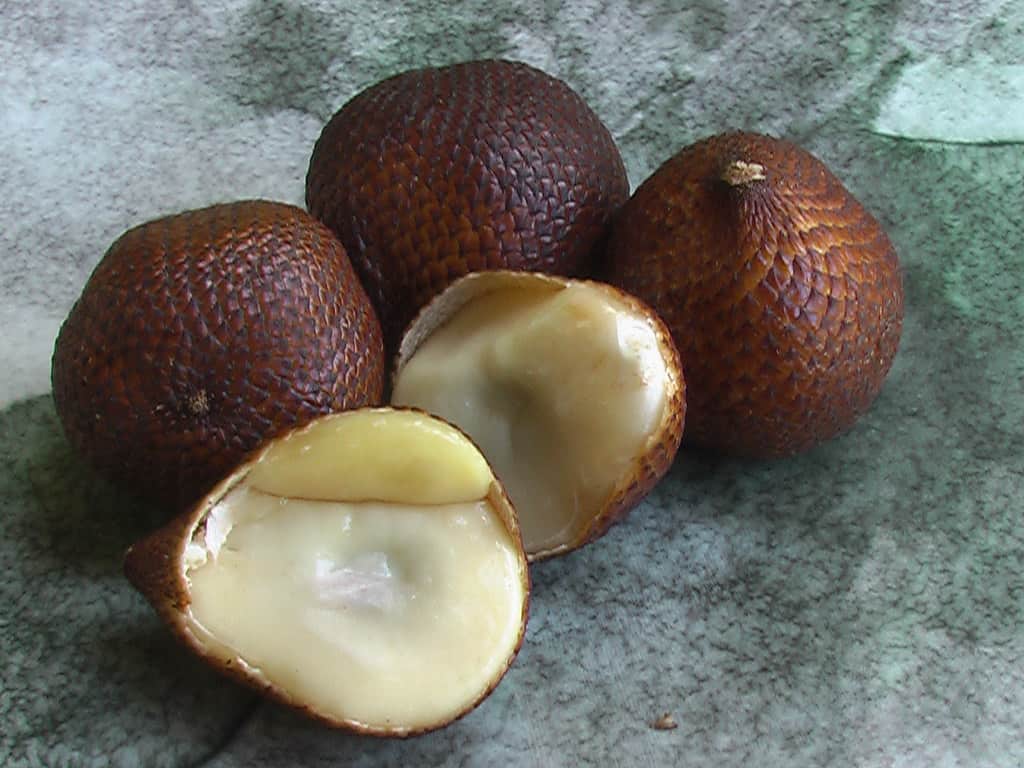
Our next destination takes us to the tropical regions of Southeast Asia, where we encounter the fascinating salak, also known as snake fruit. This fruit derives its name from its reddish-brown scaly skin, resembling snake scales, giving it a distinctive and intriguing visual appeal.
Peeling away the scaly skin reveals a cluster of small, white segments that resemble garlic cloves. The taste of salak is often described as a combination of sweet and sour, with a slight tanginess. It offers a unique textural experience, with a crisp and fibrous flesh that can be enjoyed as a snack or used in various culinary creations.
Beyond its unusual appearance and taste, salak offers several health benefits. It is rich in antioxidants, vitamins A and C, as well as minerals like potassium and iron. Salak is also known to have antimicrobial properties, aiding in the prevention of bacterial and fungal infections.