The Shroud of Turin
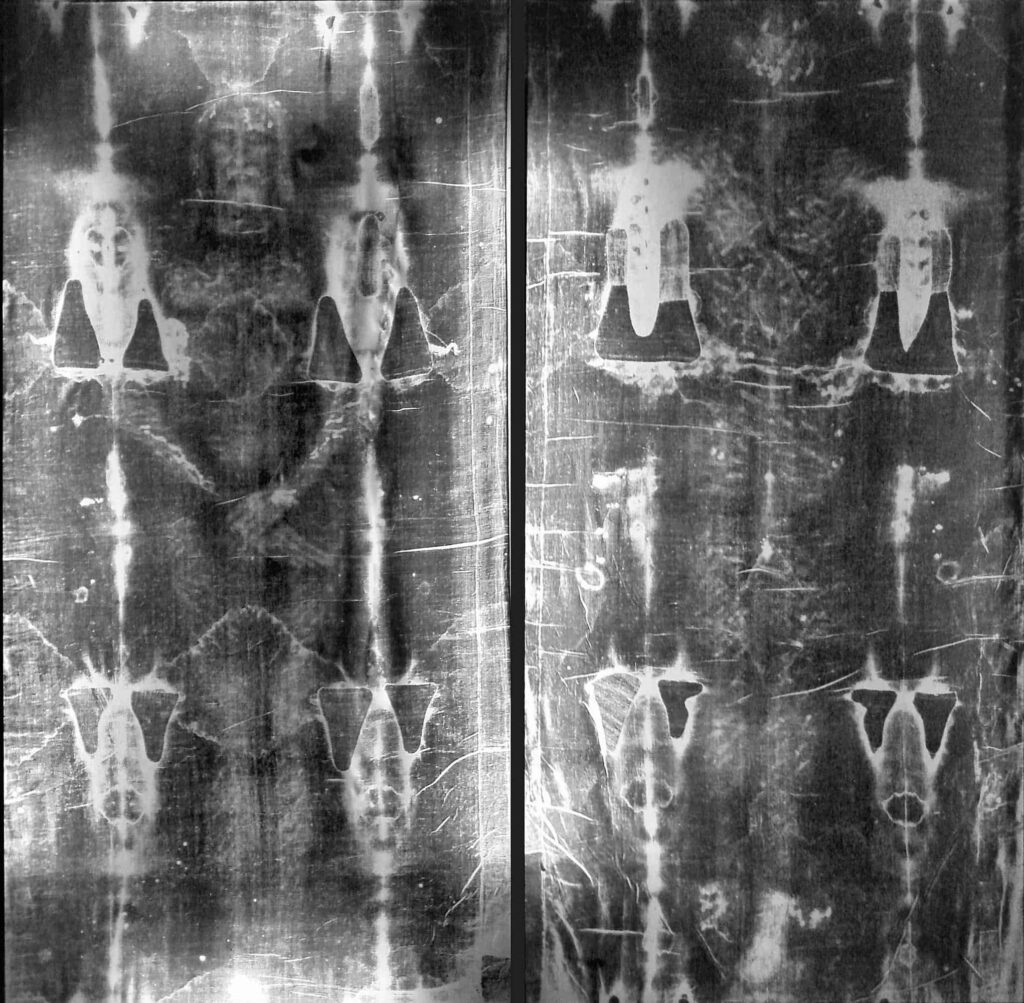
The Shroud of Turin is an ancient linen cloth that many believe bears the image of Jesus Christ. Measuring approximately 14 feet by 3.5 feet, this mysterious artifact has captured the imagination and devotion of millions. The faint, sepia-toned image on the shroud appears to depict a man who has suffered physical trauma consistent with crucifixion, including wounds that correspond to those described in the Gospels.
Despite extensive scientific investigations, the origins and authenticity of the shroud remain shrouded in mystery and controversy. Radiocarbon dating tests conducted in the late 1980s suggested that the shroud dates back to the medieval period, approximately between 1260 and 1390. These findings led some to conclude that it is an elaborate forgery. However, critics of the radiocarbon dating argue that the samples tested may have been contaminated or not representative of the whole cloth, thus skewing the results.
Further studies using advanced technology, such as microscopic and chemical analysis, have yielded conflicting results, only deepening the mystery. Some researchers have pointed to evidence of pollen and dust particles that they claim are consistent with the shroud’s origin in the Middle East, supporting the belief in its authenticity. Others have explored the possibility of the image being created by a form of ancient photography or by other unknown methods.
The enigmatic nature of the Shroud of Turin continues to captivate and divide opinion, intriguing both believers and skeptics alike. For some, it remains a sacred relic, a tangible connection to the divine. For others, it is a historical puzzle, a fascinating artifact that demands further investigation. Regardless of one’s perspective, the shroud endures as a powerful symbol of faith and mystery, inviting ongoing exploration and debate.