Hakarl
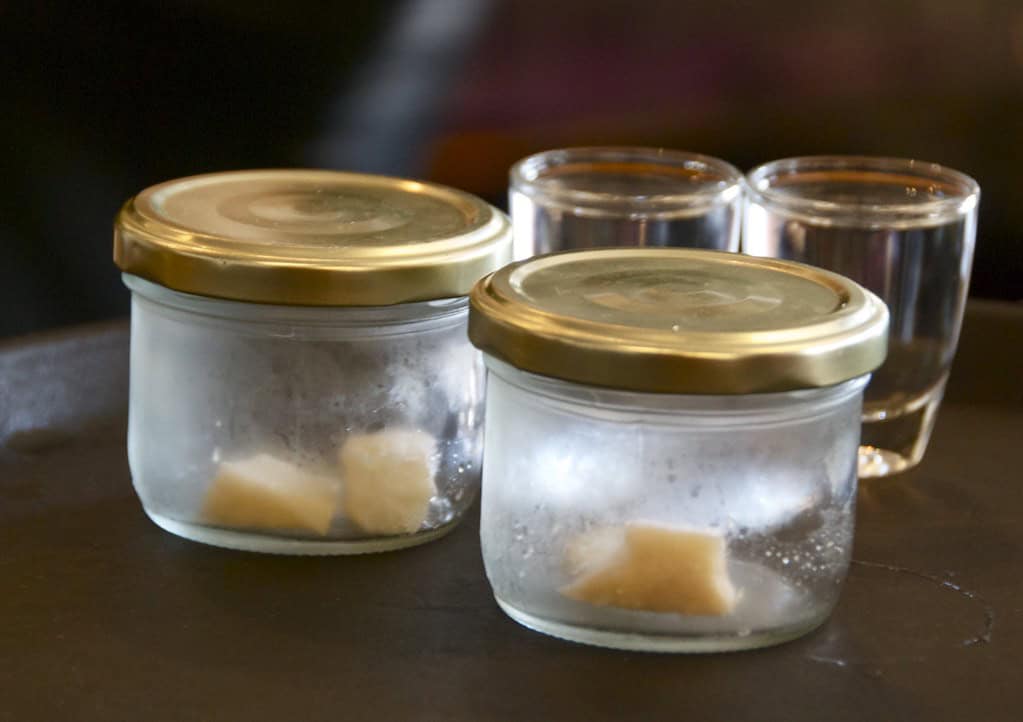
Hakarl, a traditional delicacy from Iceland, is a culinary adventure that embodies the essence of the country’s cultural and gastronomic heritage. This unique dish is crafted from the flesh of the Greenland shark, a species abundant in the frigid waters surrounding Iceland. The preparation process is an intricate dance of preservation techniques, transforming raw shark meat into a culinary curiosity.
The journey of Hakarl begins with the careful selection of shark meat, typically sourced during the colder months when the fish’s flesh is less toxic due to decreased levels of urea and trimethylamine oxide. Once harvested, the meat undergoes a rigorous fermentation process, a tradition rooted in Iceland’s history of preserving food in harsh environments. Over the course of several months, the meat is buried in shallow pits or fermented in barrels, allowing beneficial bacteria to break down the proteins and render the flesh edible.
Following fermentation, the Hakarl is hung to dry for several additional months, a crucial step in developing its distinctive flavor and texture. The drying process, facilitated by Iceland’s cool, dry climate, transforms the once-raw meat into a firm, chewy delicacy. However, the most notable characteristic of Hakarl is its potent aroma, often likened to that of household ammonia. This unique scent is a result of the shark’s high urea content, which is broken down during fermentation into ammonia compounds.
Despite its strong odor and acquired taste, Hakarl holds a revered place in Icelandic cuisine. Served in small cubes, the pungent meat is accompanied by a shot of schnapps, which is believed to enhance the dining experience. While some adventurous eaters revel in the challenge of Hakarl’s intense flavor profile, others may find its aroma and taste off-putting. Nevertheless, for those willing to embark on a culinary journey unlike any other, Hakarl offers a taste of Iceland’s rich culinary tradition and adventurous spirit.