Escamoles
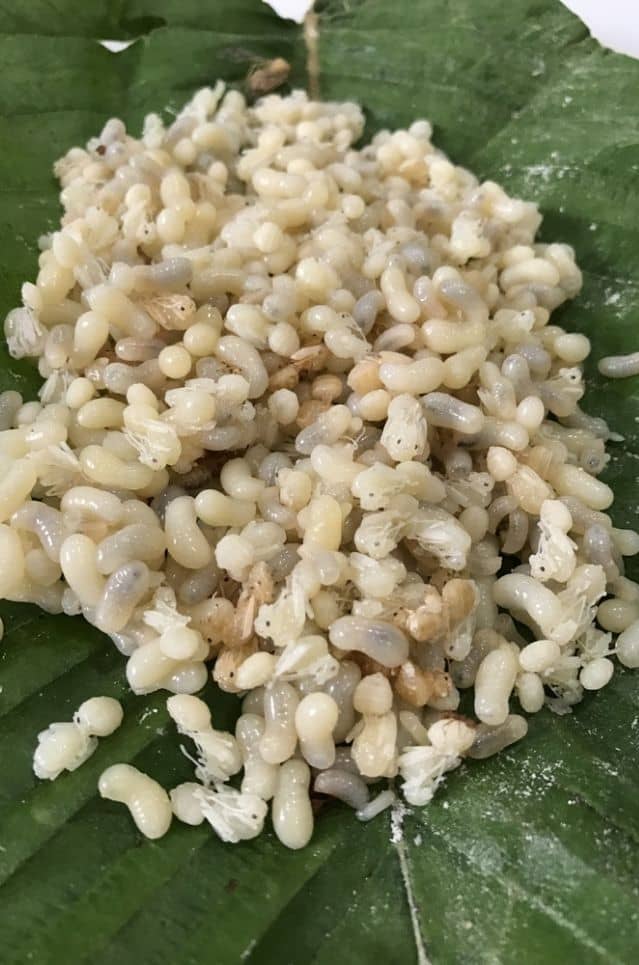
Escamoles, prized as a delicacy in Mexican cuisine, are the edible larvae of the black ant. These tiny treasures are meticulously harvested from the roots of agave plants, imparting them with a distinctive, slightly nutty flavor. Traditionally, they undergo a culinary transformation through frying, mingling with butter and onions to enhance their richness and depth. Paired with warm tortillas, they offer a savory indulgence that tantalizes the taste buds.
Despite their gastronomic allure, escamoles often provoke hesitance among the uninitiated. Their origins as insects can evoke apprehension, leading some to approach them with caution. However, those who dare to venture into the realm of entomophagy are often pleasantly surprised by the delicacy’s taste and texture. Descriptions liken them to familiar foods such as cottage cheese or pine nuts, inviting curiosity and tempting adventurous palates.
Beyond their culinary appeal, escamoles hold cultural significance, woven into the tapestry of Mexican culinary heritage. They represent a connection to the land, a testament to the resourcefulness of traditional foodways. As they grace plates across the country, they serve as a reminder of the rich biodiversity that sustains both ecosystems and communities.
In a world where sustainability and alternative protein sources are increasingly paramount, escamoles offer a glimpse into a culinary future that embraces diversity and innovation. Whether enjoyed as a cherished tradition or embraced as a bold gastronomic experiment, these tiny morsels continue to captivate and intrigue, proving that culinary boundaries are meant to be explored.