17 – Cape Hatteras National Seashore, North Carolina, USA
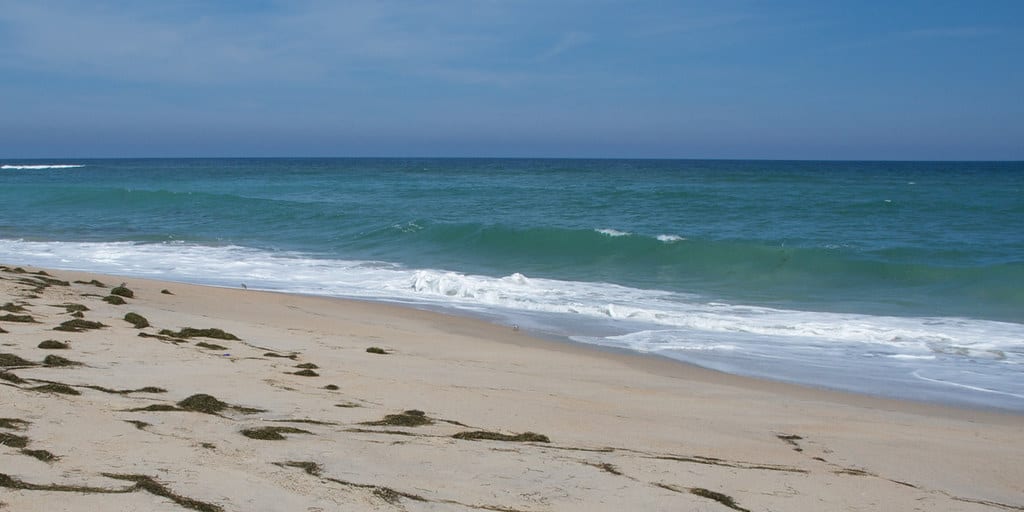
Stretching along the Outer Banks of North Carolina, Cape Hatteras National Seashore is a mesmerizing expanse of sand and surf. However, its picturesque beauty conceals a treacherous side. The region is notorious for its shifting sandbars, strong rip currents, and intense weather patterns. These factors, combined with the powerful Atlantic waves, make swimming and even wading into the water perilous. Visitors must exercise caution, stay informed about the conditions, and follow the guidance of lifeguards to ensure a safe beach experience.
16 – Playa de los Muertos, Costa Rica
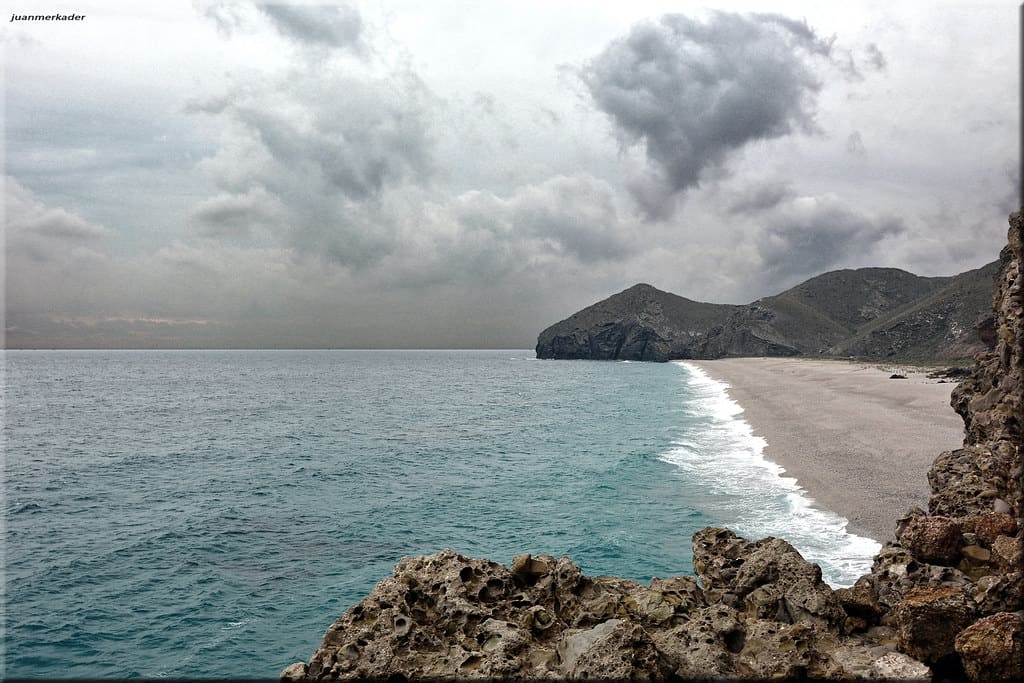
Playa de los Muertos, which translates to “Beach of the Dead,” is nestled within the Manuel Antonio National Park on Costa Rica’s Pacific coast. Despite its eerie name, the real danger lies in its untamed wildlife. The beach is home to numerous venomous creatures, including snakes and spiders. Visitors should exercise caution when exploring the surrounding rainforest and adhere to park regulations. While the beach itself is generally safe for swimming, it is essential to remain vigilant and respect the area’s unique biodiversity.
15 – Ballina Beach, Australia
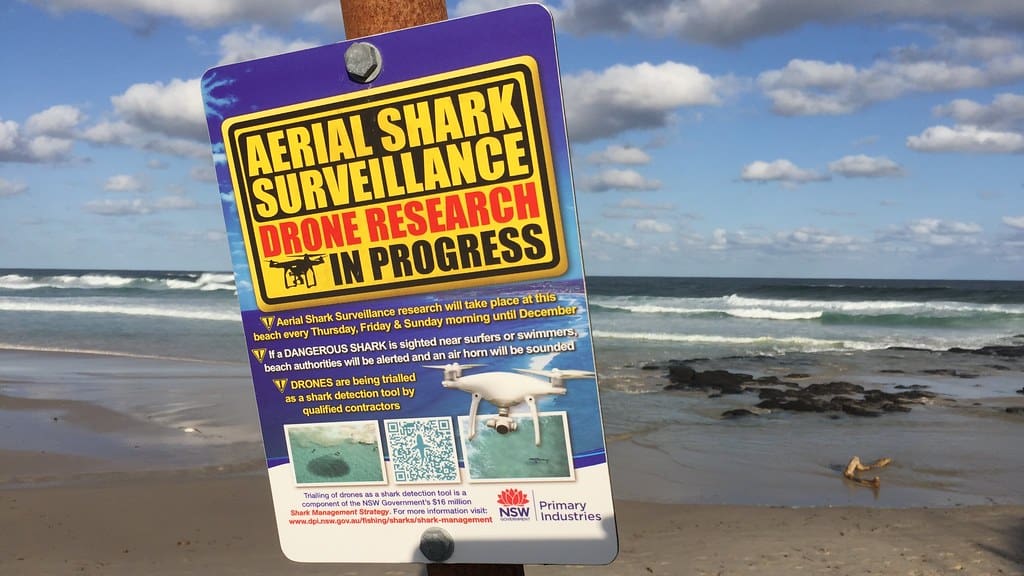
Situated in New South Wales, Ballina Beach is renowned for its stunning coastal scenery and vibrant marine life. However, it shares its waters with another formidable creature—the great white shark. The area is known for shark sightings and occasional encounters. Beachgoers are advised to swim between the flags at patrolled areas, stay informed about any shark activity, and avoid swimming during dusk and dawn, as these are peak feeding times for sharks. Respect for the ocean’s inhabitants is crucial for a safe and enjoyable beach experience.
14 – Cox’s Bazar, Bangladesh
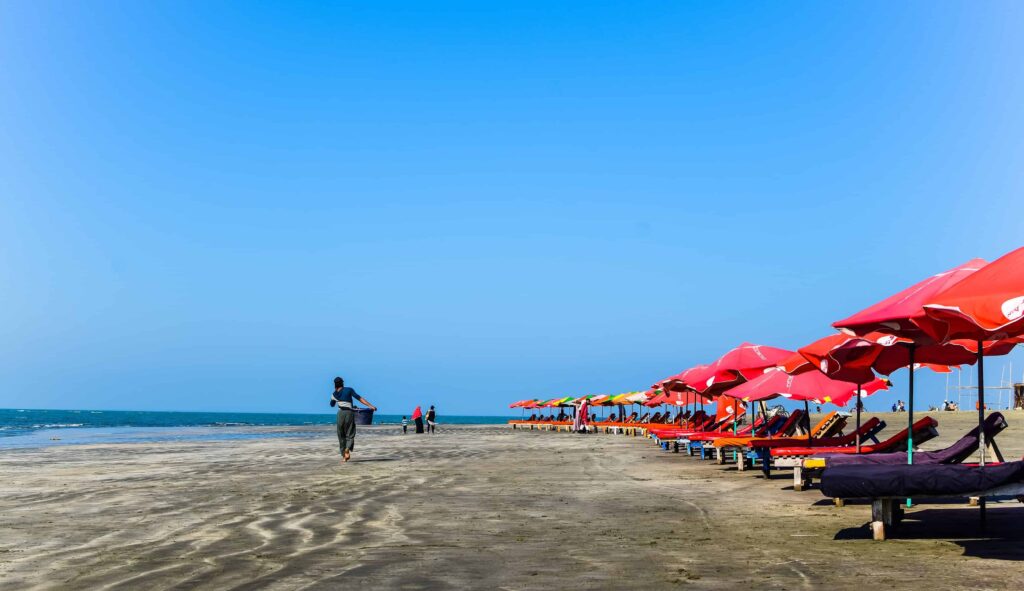
Stretching along the Bay of Bengal, Cox’s Bazar boasts the world’s longest unbroken sandy beach, a UNESCO World Heritage Site. However, the beach is vulnerable to unpredictable weather, including cyclones and monsoon storms. The powerful waves and strong currents that accompany these weather patterns make swimming hazardous. Visitors must stay informed about weather conditions, adhere to local warnings, and consult with lifeguards before entering the water. Exploring the shoreline and enjoying the stunning views while prioritizing safety will ensure a memorable visit to this natural wonder.
13 – Playa de Gulpiyuri, Spain
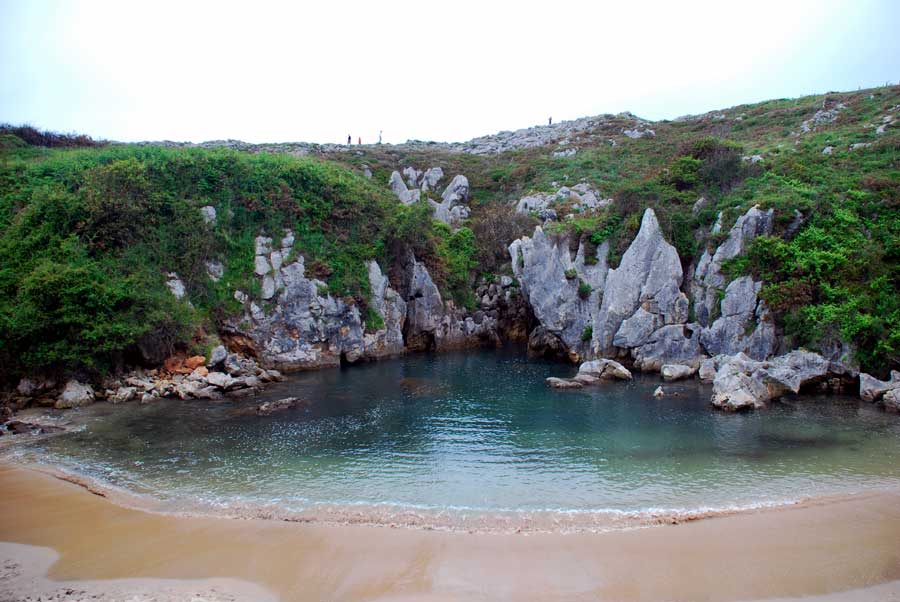
Nestled in the lush landscapes of Asturias, Playa de Gulpiyuri is a hidden gem that defies convention. This inland beach, located several hundred meters away from the sea, is a result of natural geological formations. While its secluded beauty captivates visitors, the beach lacks the necessary safety infrastructure typically found in coastal areas. Additionally, the unpredictable tides and sudden surges of water make swimming here hazardous. Exploring the shoreline and admiring its unique characteristics from a safe distance is the recommended approach for a memorable yet cautious experience.
12 – Shenzhen Dameisha Beach, China
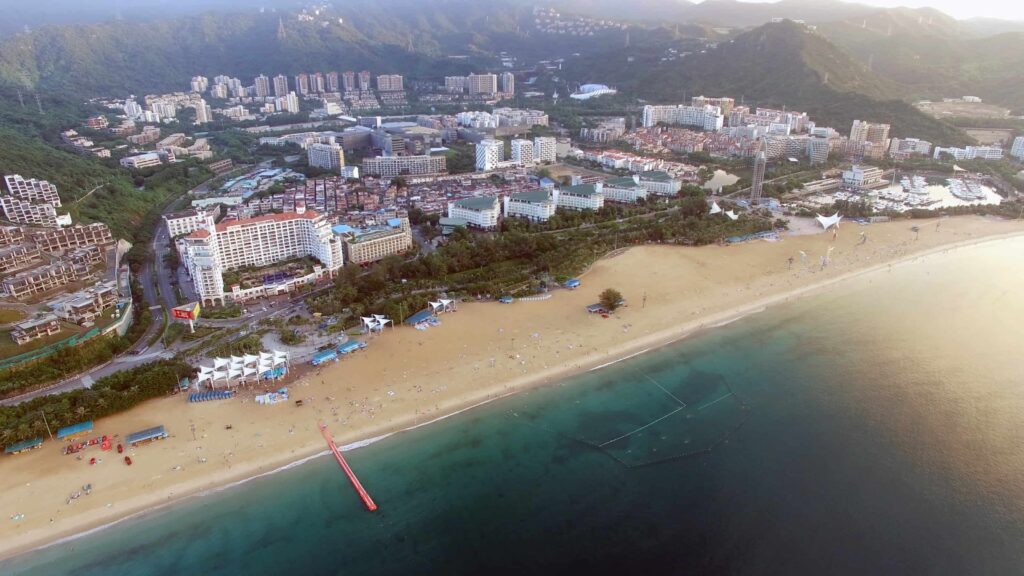
Located in Shenzhen, Guangdong Province, Dameisha Beach draws crowds with its pristine sands and panoramic views of the South China Sea. However, the beach’s popularity comes with its share of dangers. The treacherous combination of strong rip currents and crowded conditions poses risks for swimmers. Visitors should exercise caution and be mindful of their surroundings, especially during peak tourist seasons. Adhering to the advice of lifeguards and staying within designated swimming areas is crucial to ensuring a safe visit to this otherwise picturesque destination.
11 – Hanakapiai Beach, Hawaii, USA
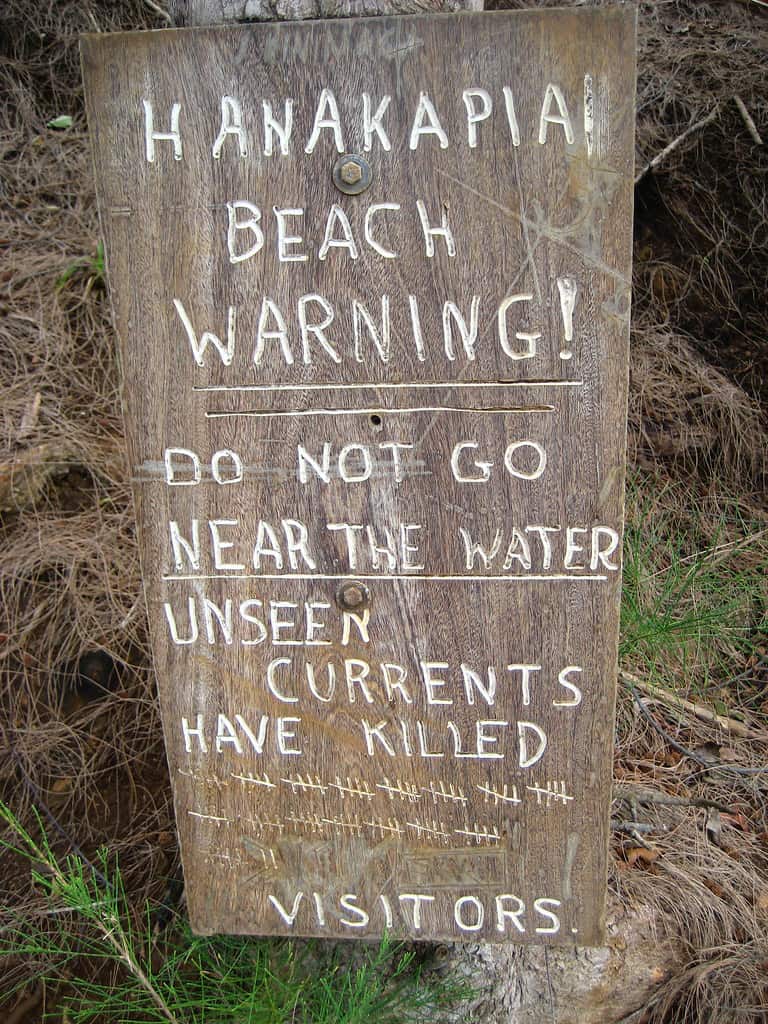
While previously mentioned, Hanakapiai Beach’s treacherous reputation deserves a second mention due to its unpredictable nature. Situated on the Na Pali Coast of Kauai Island, the beach’s alluring beauty is juxtaposed with powerful rip currents, notorious shore breaks, and high surf. Numerous fatalities have occurred here, emphasizing the importance of heeding official warnings and refraining from swimming. However, the stunning coastal views and challenging hiking trails surrounding the beach still offer an unforgettable experience for adventurous explorers.
10 – Teahupoo Beach, Tahiti
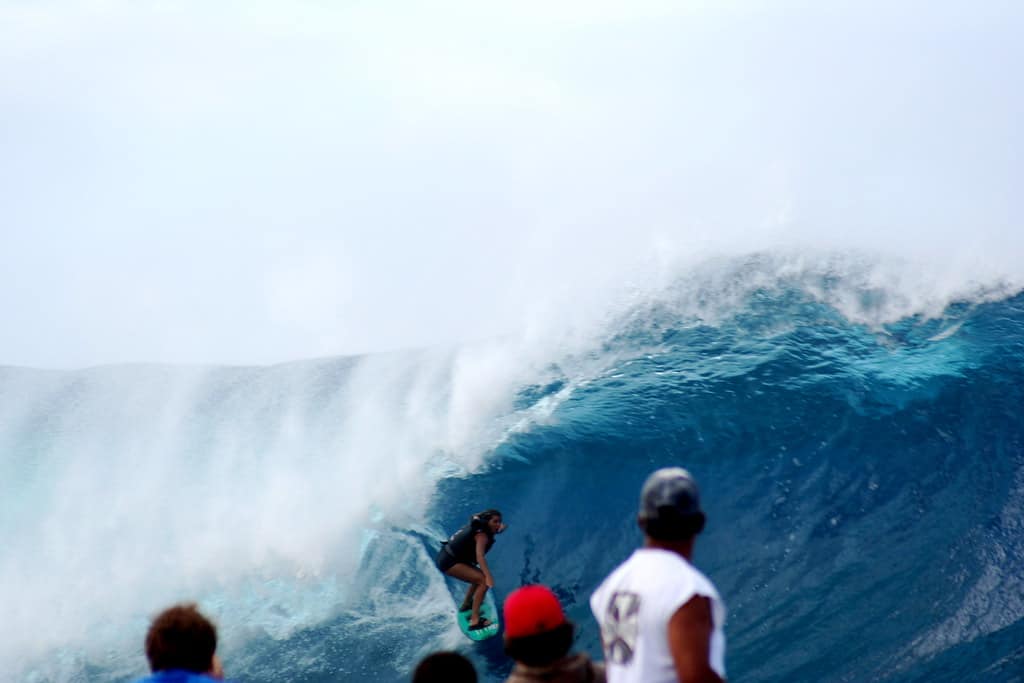
Located on the southwestern coast of Tahiti, Teahupoo Beach is a haven for professional surfers seeking adrenaline-pumping waves. Known for its massive and hollow barrels, this beach provides some of the most challenging surf conditions in the world. However, these colossal waves come with immense power and a shallow coral reef beneath them, resulting in life-threatening wipeouts and injuries. Teahupoo is strictly reserved for experienced surfers, and spectators are encouraged to admire the awe-inspiring displays from a safe distance.
9 – Praia de Boa Viagem, Brazil
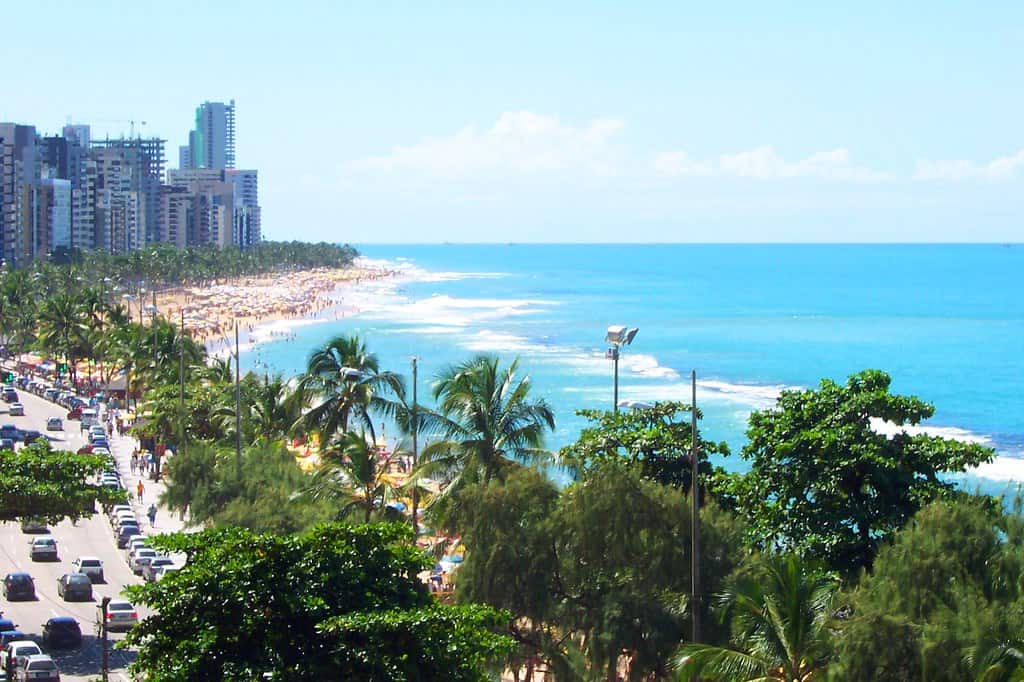
Located in the vibrant city of Recife, Praia de Boa Viagem is renowned for its urban beauty and warm waters. However, beneath its enticing surface lurks a hidden danger—shark-infested waters. The beach is situated along the “Shark Coast,” where encounters with bull sharks are relatively common. Visitors are advised to swim within the protected areas and heed the warnings of lifeguards to minimize the risk of shark attacks while enjoying the vibrant atmosphere of this captivating Brazilian beach.
8 – Kilauea Beach, Hawaii, USA
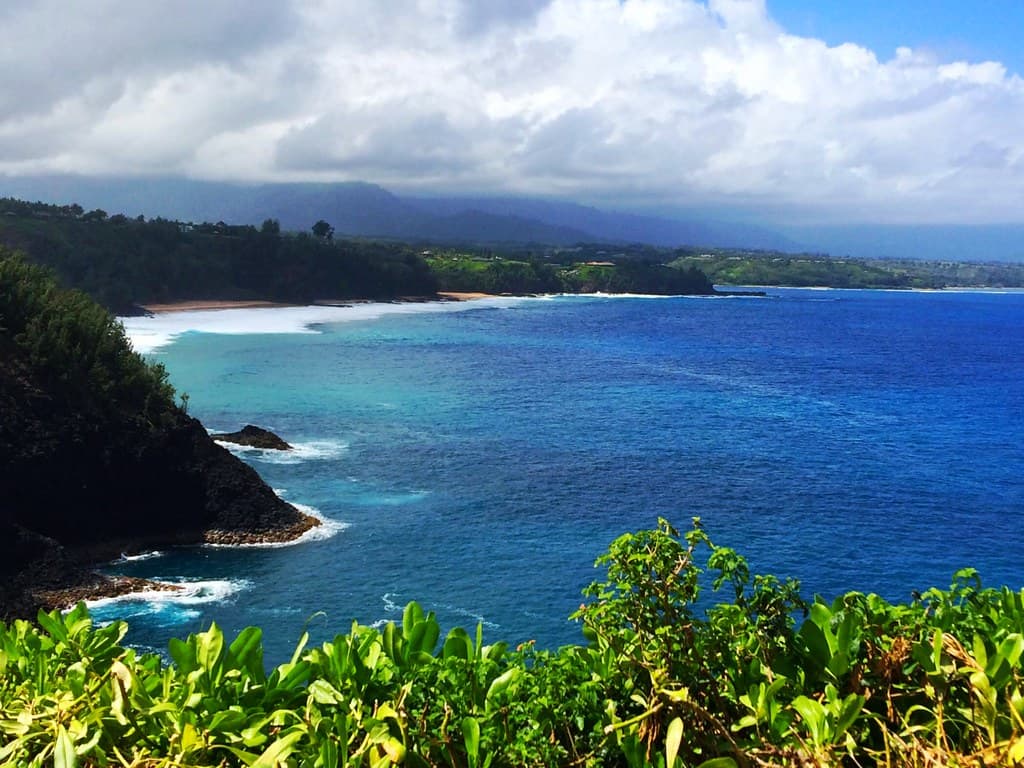
Nestled on the northern shore of Kauai Island, Kilauea Beach entices visitors with its striking scenery and jagged cliffs. However, beneath its tranquil appearance lies the danger of powerful rip currents. The beach’s infamous reputation has earned it the nickname “Kill-a-Wea” due to its treacherous waters. Swimmers and surfers should exercise extreme caution and pay attention to warning signs to avoid becoming victims of the beach’s strong currents.
7 – Staithes Beach, England
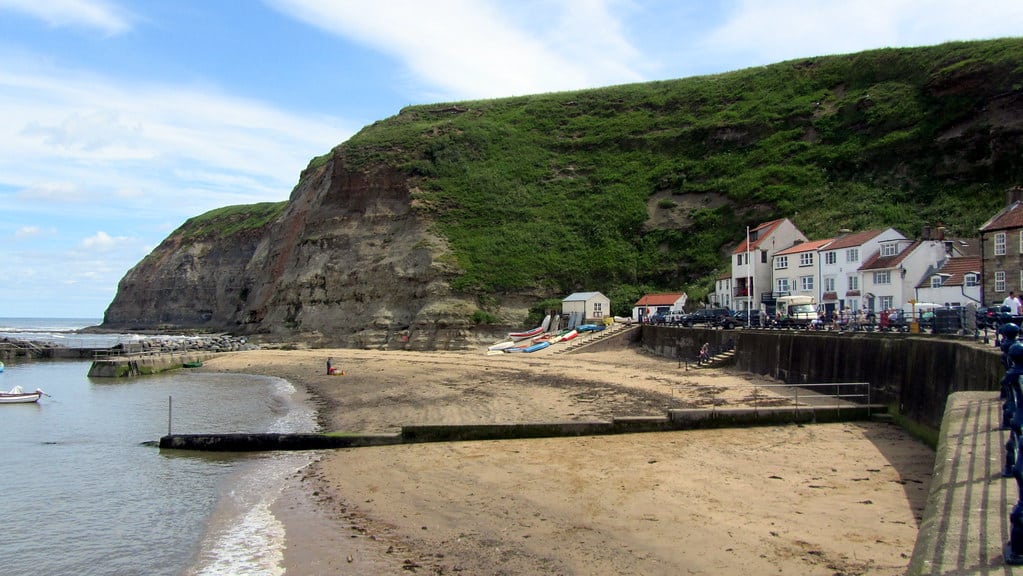
Tucked away on the North Yorkshire coast of England, Staithes Beach showcases picturesque charm with its quaint fishing village and rugged coastline. However, this idyllic setting harbors a danger unique to this region—unstable cliffs prone to landslides. Visitors must remain vigilant and avoid walking too close to the cliff edges to prevent potentially catastrophic accidents. While the beach itself is relatively safe for swimming, a watchful eye on the cliffside is essential to ensure a safe and enjoyable visit.
6 – Cape Point Beach, South Africa
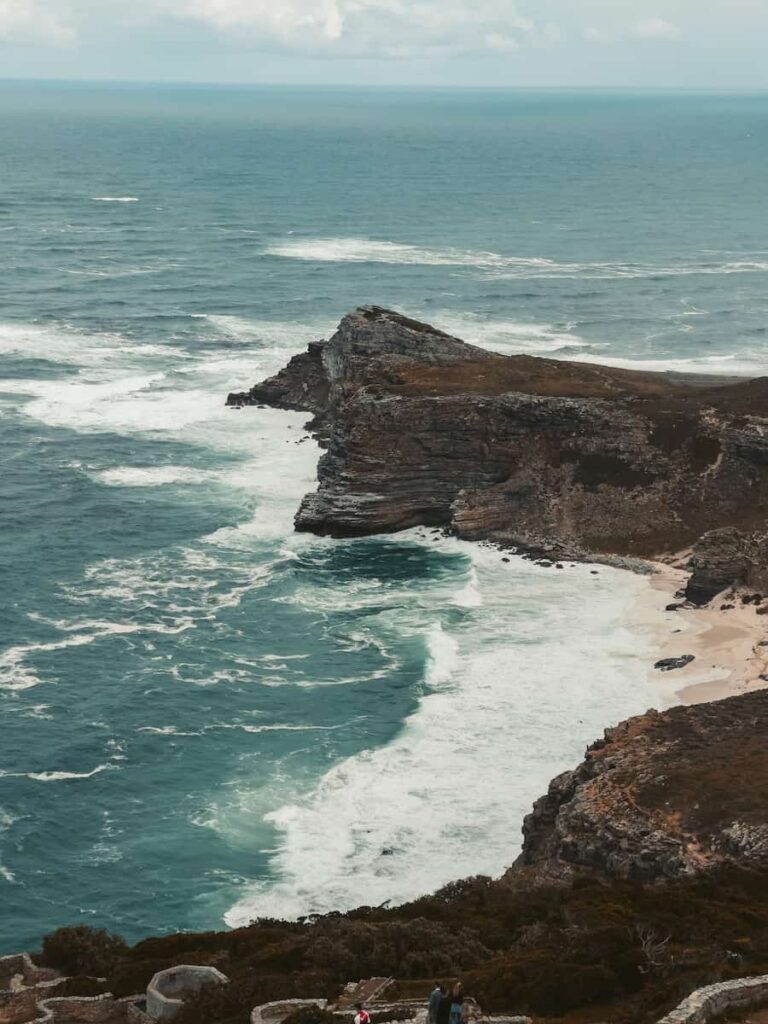
Situated within the Cape of Good Hope Nature Reserve near Cape Town, Cape Point Beach offers breathtaking vistas of rugged cliffs and crashing waves. However, the strong currents and icy waters of the Atlantic Ocean pose considerable dangers to swimmers. The area is known for its powerful undertows, making it unsuitable for casual beachgoers. Visitors are advised to admire the beach’s beauty from a safe distance and explore the surrounding nature reserve to fully appreciate the stunning scenery.
5 – Playa Zicatela, Mexico
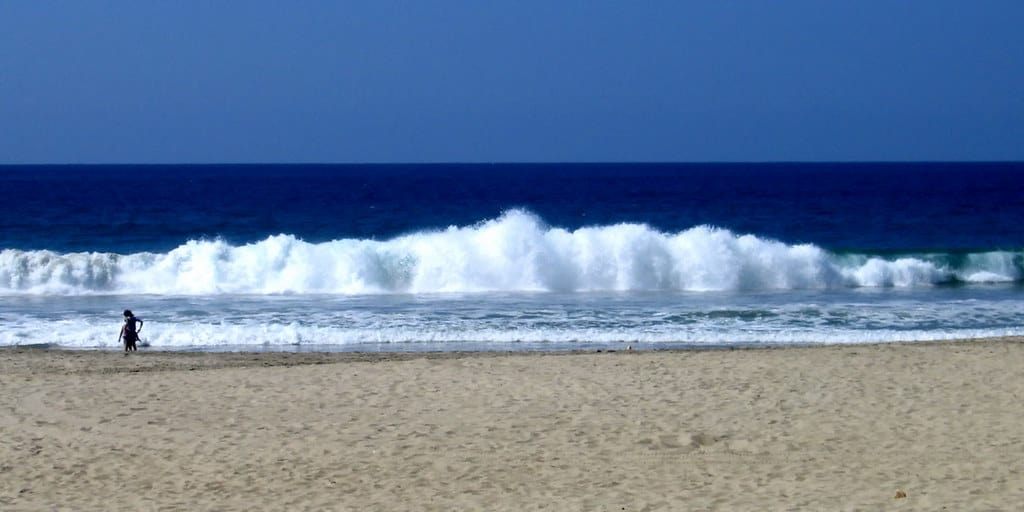
As one of the world’s premier surfing destinations, Playa Zicatela in Puerto Escondido boasts colossal waves that draw experienced surfers from around the globe. However, these powerful swells and the beach’s notorious “Pipeline” break make it unsuitable for novice surfers and swimmers. The forceful currents and shallow sandbars can lead to dangerous wipeouts and serious injuries. While witnessing the skilled surfers tackling the waves is an awe-inspiring sight, it’s crucial for less-experienced beachgoers to exercise caution and admire the action from a safe distance.
4 – Fraser Island, Australia
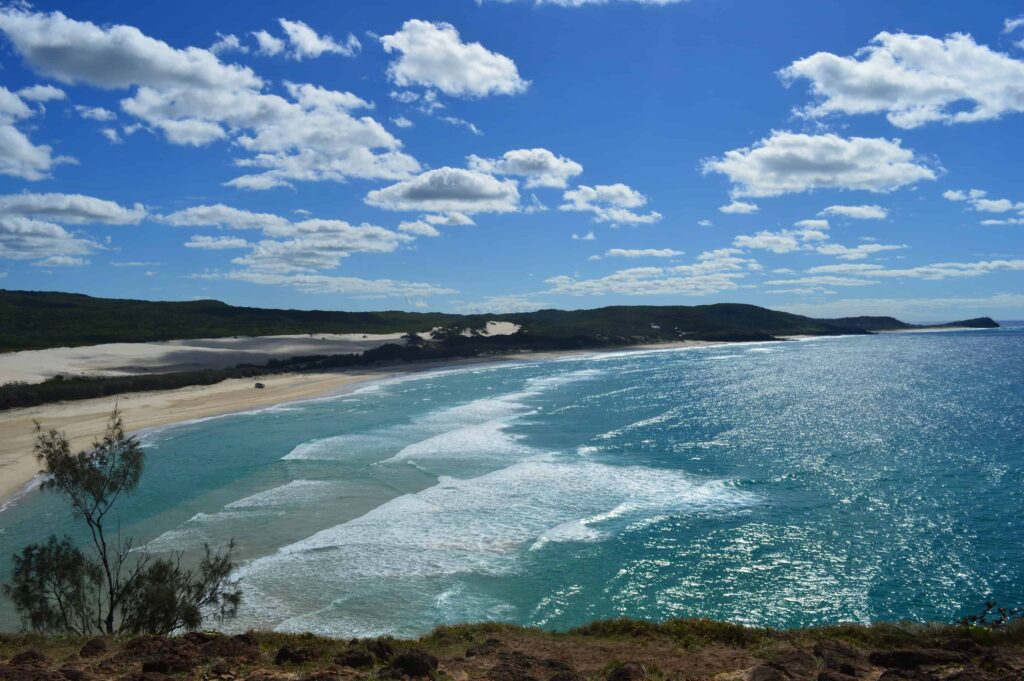
Located off the eastern coast of Australia, Fraser Island boasts incredible natural beauty with its vast stretches of white sand and lush rainforests. However, beneath its serene facade lies an undercurrent of danger. The island is home to venomous snakes, spiders, and dingoes, which require caution and respect from visitors. Moreover, the powerful currents around Fraser Island can make swimming hazardous, and the presence of sharks in the waters adds to the beach’s perilous reputation.
3 – Playa Zipolite, Mexico
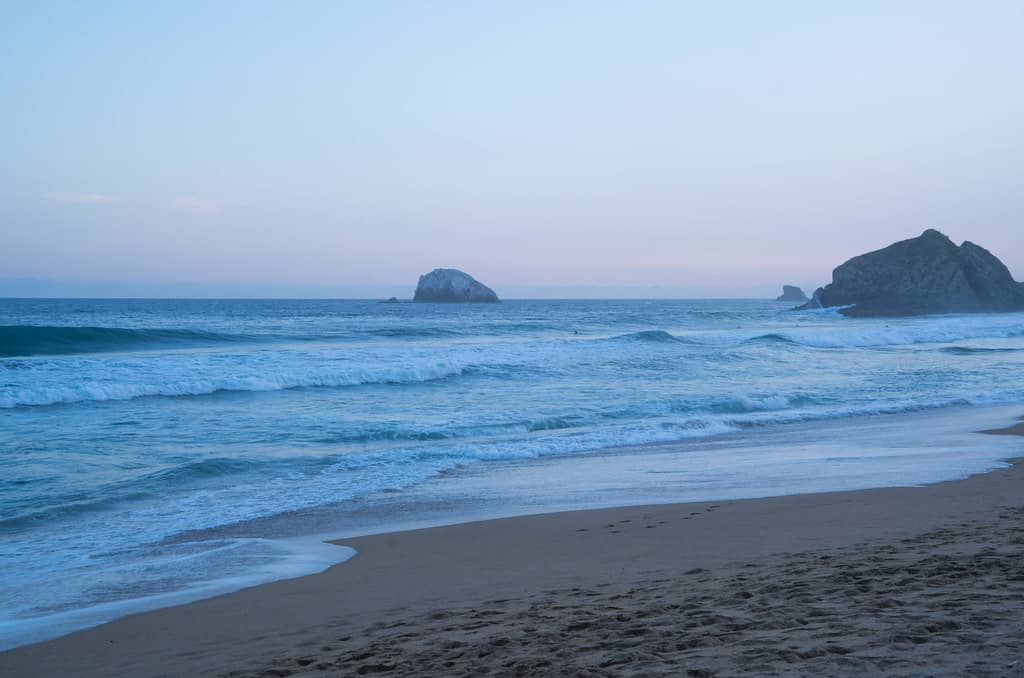
Nestled along Mexico’s Pacific coast, Playa Zipolite offers a unique blend of stunning scenery and powerful waves. The beach is renowned for its strong undertows and fierce rip currents, making it notorious among experienced surfers and swimmers. Visitors must exercise extreme caution when venturing into the water and strictly adhere to safety guidelines. The combination of strong waves and unpredictable currents demands respect from all who venture into Playa Zipolite’s mesmerizing yet dangerous waters.
2 – Cape Tribulation, Australia
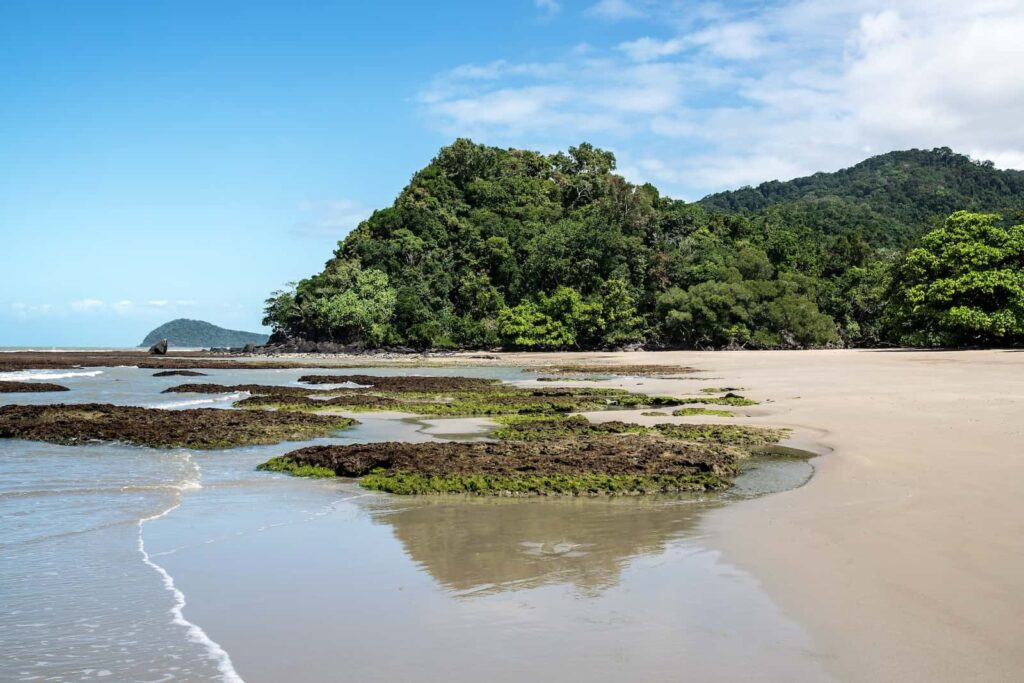
Located in the Daintree Rainforest of Queensland, Cape Tribulation presents an extraordinary blend of rainforest and beach. Its remote and wild nature provides a true adventure, but also potential hazards. The waters around Cape Tribulation are home to deadly saltwater crocodiles and venomous jellyfish. During the “stinger season” (November to May), box jellyfish and irukandji pose significant threats to swimmers. Signs warning of these dangers are prominently displayed, and it is crucial for visitors to heed them to ensure their safety.
1 – Gansbaai, South Africa
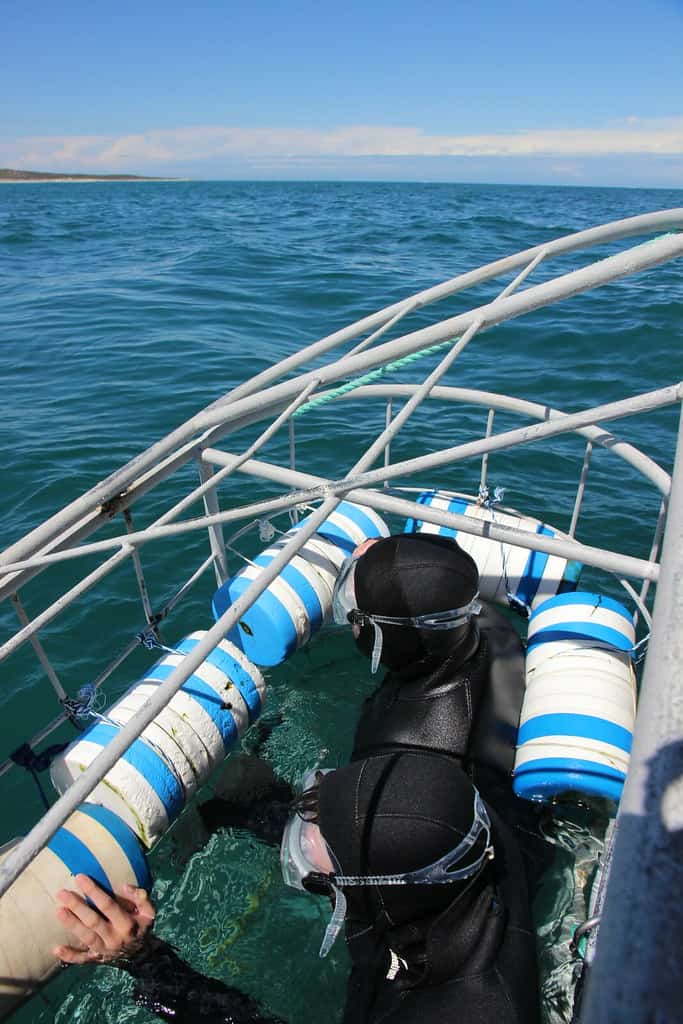
Known as the “Great White Shark Capital of the World,” Gansbaai sits along South Africa’s coastline and offers an adrenaline-fueled experience for thrill-seekers. The region’s waters attract numerous great white sharks, making it a premier destination for cage diving and shark-watching tours. While these activities are tightly regulated and generally safe, the inherent risks associated with interacting with these majestic predators cannot be ignored. Visitors must follow professional guidance and exercise caution to enjoy this unique beach experience safely.
are urged to stay vigilant and avoid the temptation to enter the water.