12 – Shigeru Ban
Shigeru Ban, a Japanese architect, is renowned for his innovative and humanitarian approach to architecture. Born in 1957, Ban has gained international acclaim for his use of unconventional materials and his dedication to creating temporary and sustainable structures for disaster-stricken areas.
One of Ban’s notable works is the Paper Church in Kobe, Japan. Following the devastating earthquake in 1995, Ban designed this temporary structure as a place of worship for the community. The church’s walls are made of paper tubes, a material that is both lightweight and easily recyclable. Ban’s design not only provided a safe and functional space but also served as a symbol of hope and resilience in the face of adversity.
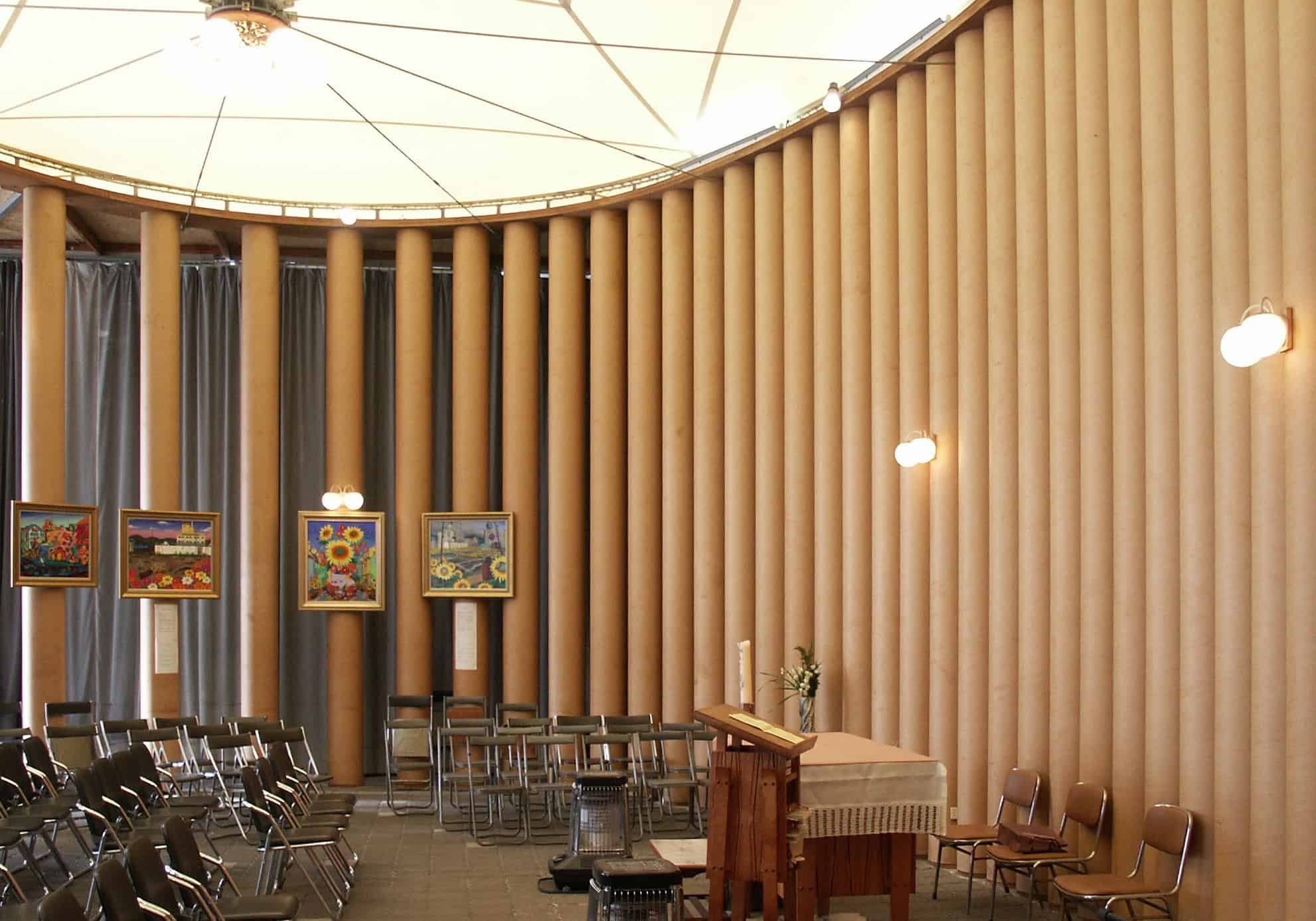
Ban’s humanitarian efforts extend beyond Japan, as he has worked on numerous disaster relief projects worldwide. In the aftermath of the 2010 earthquake in Haiti, he designed and constructed temporary shelters using recycled materials such as shipping containers and paper tubes. Ban’s innovative designs provide dignified and sustainable housing solutions for those in need, showcasing the transformative power of architecture in improving the lives of communities affected by natural disasters.
11 – I.M. Pei
Ieoh Ming Pei, known as I.M. Pei, was a Chinese-American architect who left an indelible mark on the world of architecture with his modernist designs and innovative use of materials. Born in 1917 in Guangzhou, China, Pei’s career spanned several decades, and his works can be found across the globe.
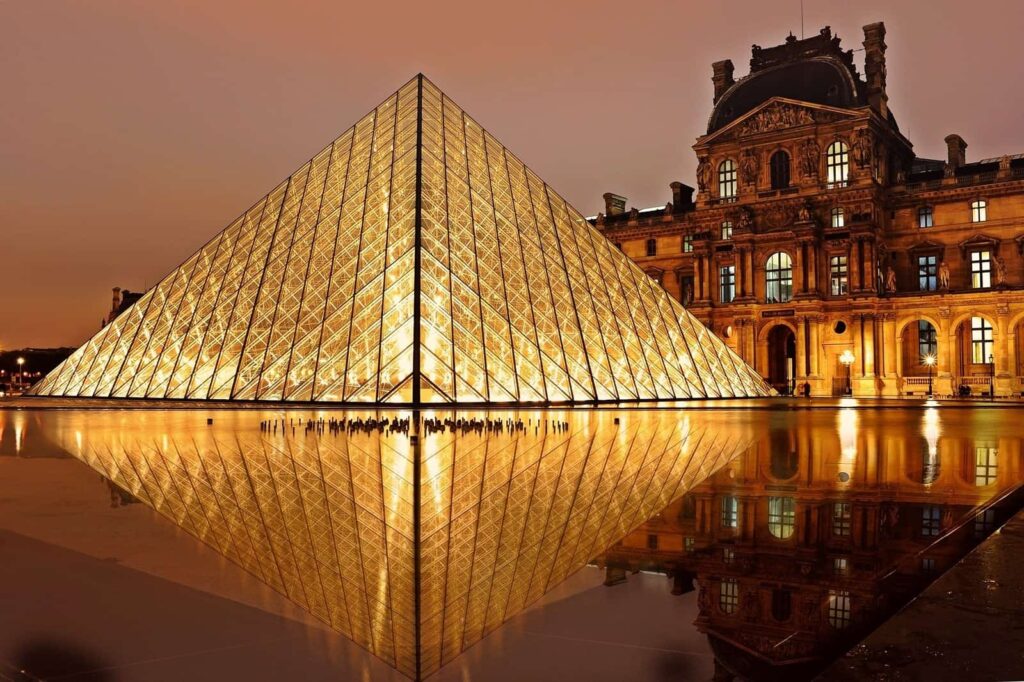
One of Pei’s most iconic creations is the Louvre Pyramid in Paris, France. This glass and steel pyramid serves as the main entrance to the Louvre Museum, one of the world’s most renowned cultural institutions. Pei’s design successfully marries the modernity of the pyramid with the historic surroundings, creating a harmonious blend of old and new. The pyramid’s striking geometry and transparent façade have made it an architectural landmark and an emblem of modern Paris.
Another notable work by Pei is the Bank of China Tower in Hong Kong. This skyscraper, completed in 1990, showcases Pei’s ability to create visually stunning and structurally innovative buildings. The tower’s sharp angles and triangular forms make it a distinctive presence in the Hong Kong skyline. Pei’s design also incorporates sustainable features, such as double-glazed windows and energy-efficient systems, reflecting his commitment to environmentally responsible architecture.
10 – Renée Cheng
Renée Cheng is a contemporary American architect known for her expertise in sustainable design and her contributions to the field of architectural education. Cheng’s work explores the intersection of architecture, technology, and the environment, with a focus on creating sustainable and resilient spaces.
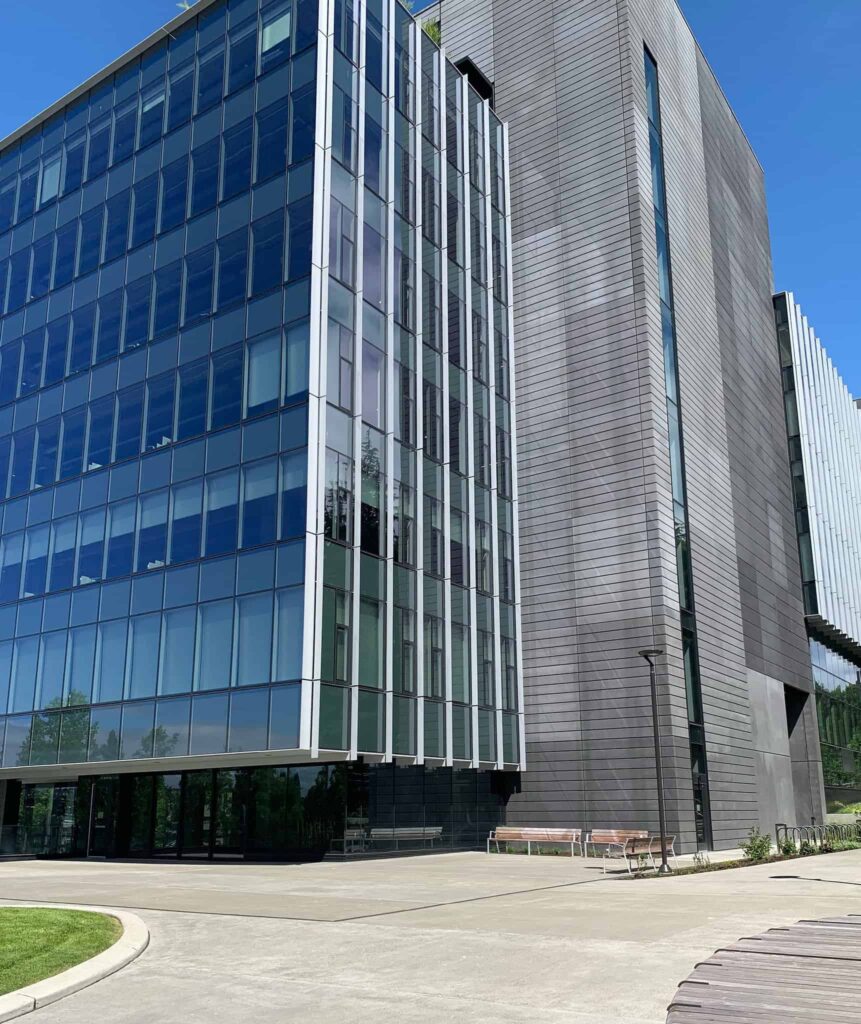
One of Cheng’s notable projects is the University of Washington’s Hans Rosling Center for Population Health in Seattle, Washington. This interdisciplinary research facility exemplifies Cheng’s commitment to sustainable design. The building incorporates passive cooling strategies, energy-efficient systems, and natural daylighting to create a healthy and comfortable environment for occupants. Cheng’s design also emphasizes transparency and collaboration, with open and flexible spaces that encourage interdisciplinary interactions among researchers.
Cheng has also made significant contributions to architectural education as the Dean of the College of Built Environments at the University of Washington. Through her leadership, she has promoted sustainable practices, interdisciplinary collaboration, and social equity in architectural education. Cheng’s work as an educator and practitioner has had a profound impact on the next generation of architects, inspiring them to address pressing societal and environmental challenges through their designs.
09 – Renzo Piano
Italian architect Renzo Piano is known for his elegant and sustainable designs that blend harmoniously with their surroundings. Born in 1937, Piano’s creations reflect his deep appreciation for the natural environment and his commitment to creating spaces that enhance the human experience.
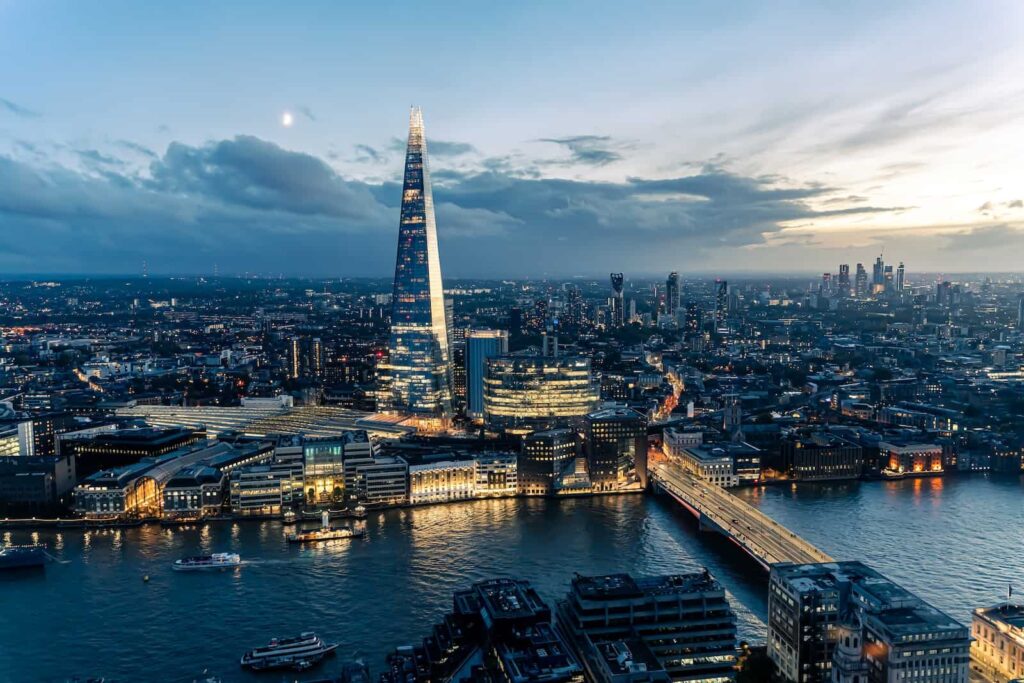
One of Piano’s most famous projects is The Shard in London, England. This iconic skyscraper stands as the tallest building in the United Kingdom, featuring a distinctive glass exterior that reflects the changing sky. The building’s slender form and spiraling design allow for breathtaking views of the city, while its sustainable features, such as rainwater harvesting and energy-efficient systems, demonstrate Piano’s commitment to environmental responsibility.
Piano’s expertise in museum design is exemplified by the Centre Pompidou in Paris, France. This cultural institution revolutionized the concept of a museum by exposing its structural elements, such as escalators and air ducts, on the building’s exterior. The colorful and vibrant façade is a stark contrast to the historic surroundings, creating a bold statement that has become an iconic symbol of modern architecture.
08 – Norman Foster
Sir Norman Foster, a British architect, is celebrated for his sleek and technologically advanced designs that prioritize functionality and sustainability. Born in 1935, Foster has played a significant role in shaping the modern architectural landscape with his iconic structures.
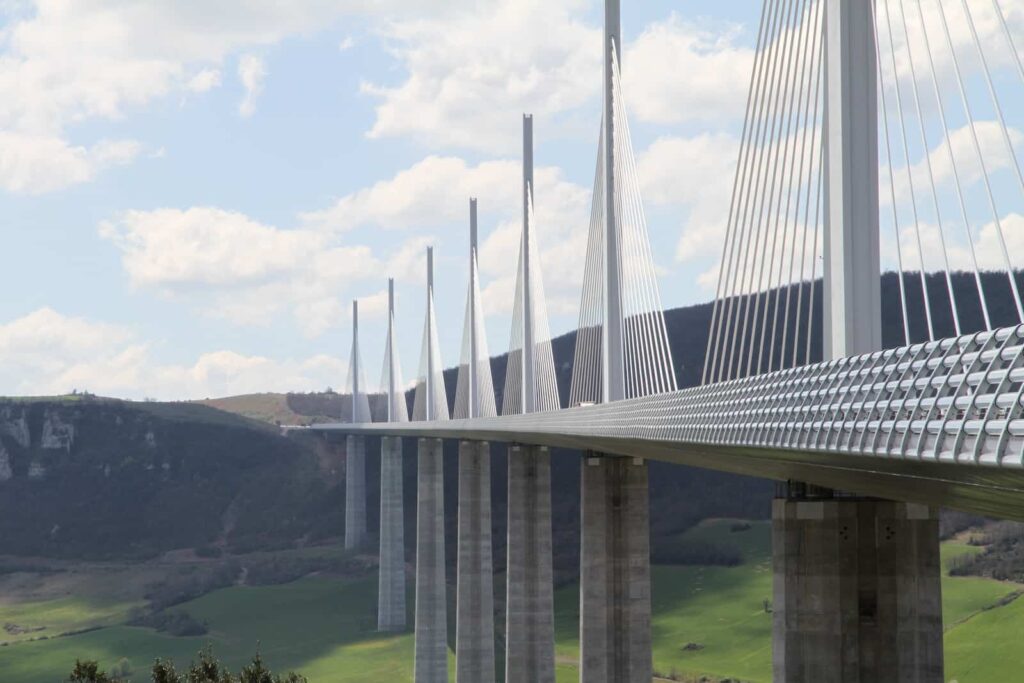
One of Foster’s notable creations is the Millau Viaduct in southern France. This cable-stayed bridge spans the Tarn Valley, showcasing Foster’s mastery of engineering and design. The bridge’s elegant and slender form seems to defy gravity, blending seamlessly with the natural landscape. The Millau Viaduct is not only a remarkable feat of engineering but also a testament to Foster’s ability to create infrastructure that harmonizes with its surroundings.
Foster’s commitment to sustainable architecture is evident in the design of the Hearst Tower in New York City. This skyscraper combines a historic base with a contemporary glass tower, symbolizing the fusion of tradition and innovation. The building incorporates numerous sustainable features, including rainwater harvesting, natural ventilation, and energy-efficient systems, showcasing Foster’s dedication to creating environmentally conscious designs.
07 – Rem Koolhaas
Rem Koolhaas, a Dutch architect and theorist, is renowned for his innovative and intellectual approach to architecture. Born in 1944, Koolhaas founded the Office for Metropolitan Architecture (OMA) and has left an indelible mark on the field with his provocative ideas and unconventional designs.
One of Koolhaas’ most iconic projects is the CCTV Headquarters in Beijing, China. This building challenges the traditional notion of a skyscraper by defying gravity and creating a unique form that resembles a looped shape. The structure’s bold geometry and reflective façade make it a striking presence in the cityscape, while its innovative design optimizes the use of space and promotes efficient circulation.

Another notable work by Koolhaas is the Seattle Central Library in Seattle, Washington. This architectural masterpiece is characterized by its bold and dynamic forms, with a striking glass and steel exterior. The interior spaces are designed to be flexible and adaptable, providing an inviting environment for learning and exploration. The library’s unconventional design has garnered international acclaim and transformed the way we perceive public institutions.
06 – Jeanne Gang
Jeanne Gang, an American architect, is renowned for her sustainable and community-focused designs that emphasize the relationship between people and the built environment. Born in 1964, Gang’s work often reflects a deep understanding of nature and the impact of architecture on social dynamics.
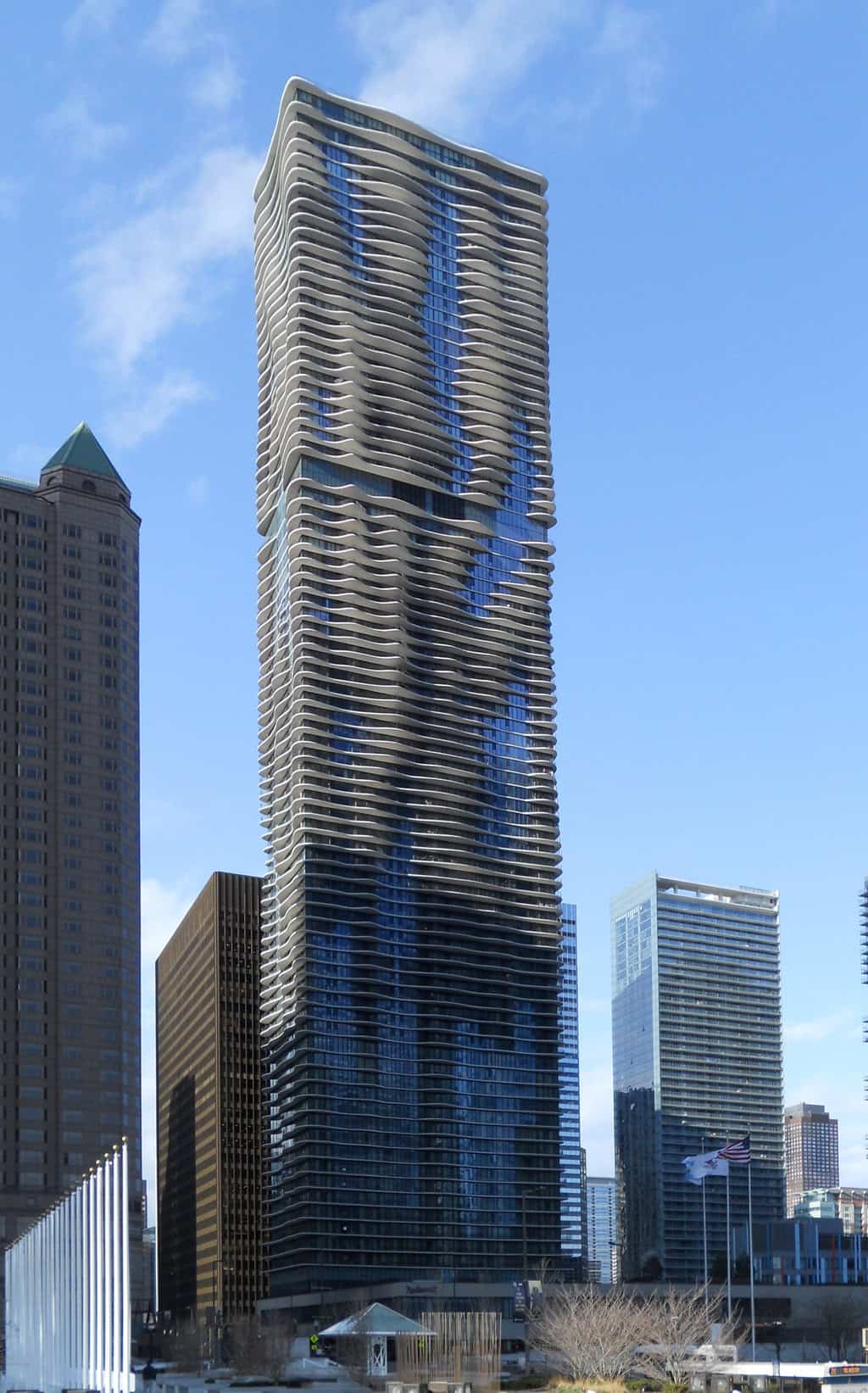
One of Gang’s notable creations is the Aqua Tower in Chicago, Illinois. This residential skyscraper stands out with its undulating balconies that resemble waves, giving the building a dynamic and organic appearance. The balconies not only provide stunning views for residents but also serve as sunshades, reducing energy consumption and promoting sustainable living.
Gang’s commitment to community engagement is evident in the design of the Arcus Center for Social Justice Leadership in Kalamazoo, Michigan. The building’s circular form and transparent facade reflect the center’s values of openness, inclusivity, and collaboration. The interior spaces are designed to facilitate social interaction and dialogue, providing a physical environment that supports the center’s mission of promoting social justice.
05 – Zaha Hadid
Zaha Hadid, an Iraqi-British architect, was a true pioneer in the field of parametric architecture. Born in 1950, Hadid’s designs were characterized by their fluid forms, innovative use of materials, and a futuristic aesthetic that challenged traditional notions of space and structure.
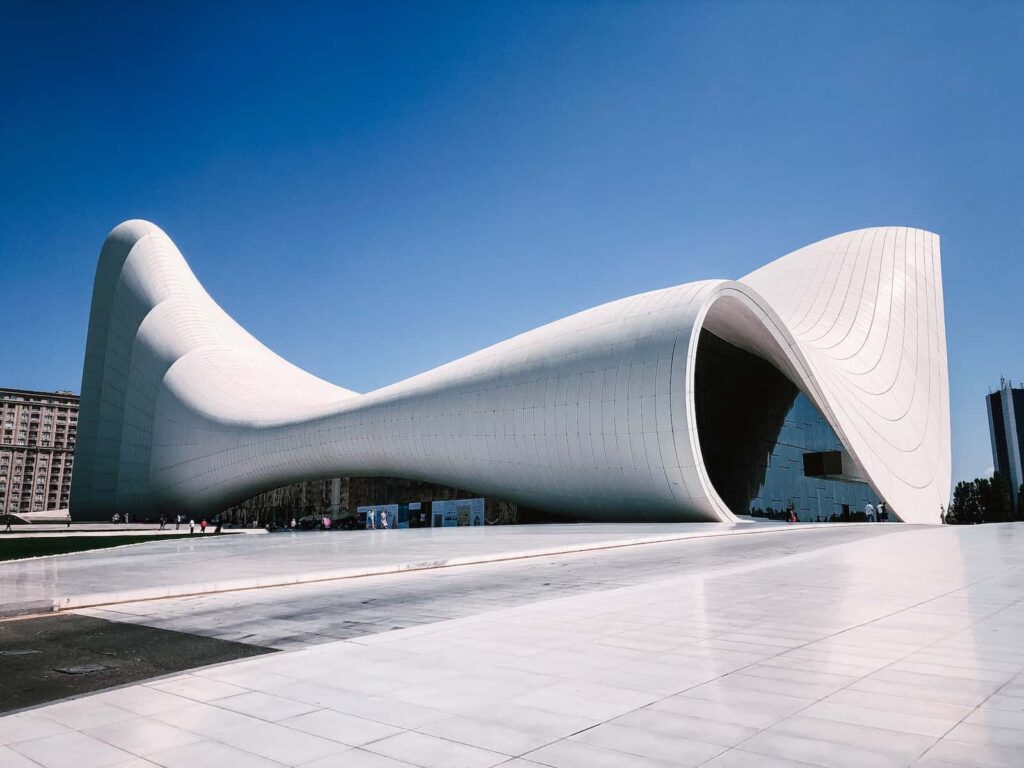
One of Hadid’s most iconic works is the Heydar Aliyev Center in Baku, Azerbaijan. This cultural center is a testament to her visionary approach, with its sweeping curves and seamless integration into the surrounding landscape. The building’s exterior is clad in white panels that flow organically, creating a sense of movement and dynamism. Inside, the spaces are equally awe-inspiring, with undulating walls and ceilings that create a sense of continuous flow.
Another notable creation by Hadid is the Guangzhou Opera House in China. This architectural masterpiece resembles two smooth pebbles, nestled harmoniously along the banks of the Pearl River. The building’s curvilinear forms and intersecting volumes create an interplay of light and shadow, while the interior spaces are designed to enhance the acoustic experience for opera and theater performances.
04 – Bjarke Ingels
Danish architect Bjarke Ingels is known for his innovative and sustainable designs that prioritize functionality and social engagement. Born in 1974, Ingels has gained international acclaim for his ability to merge contemporary aesthetics with sustainable practices.
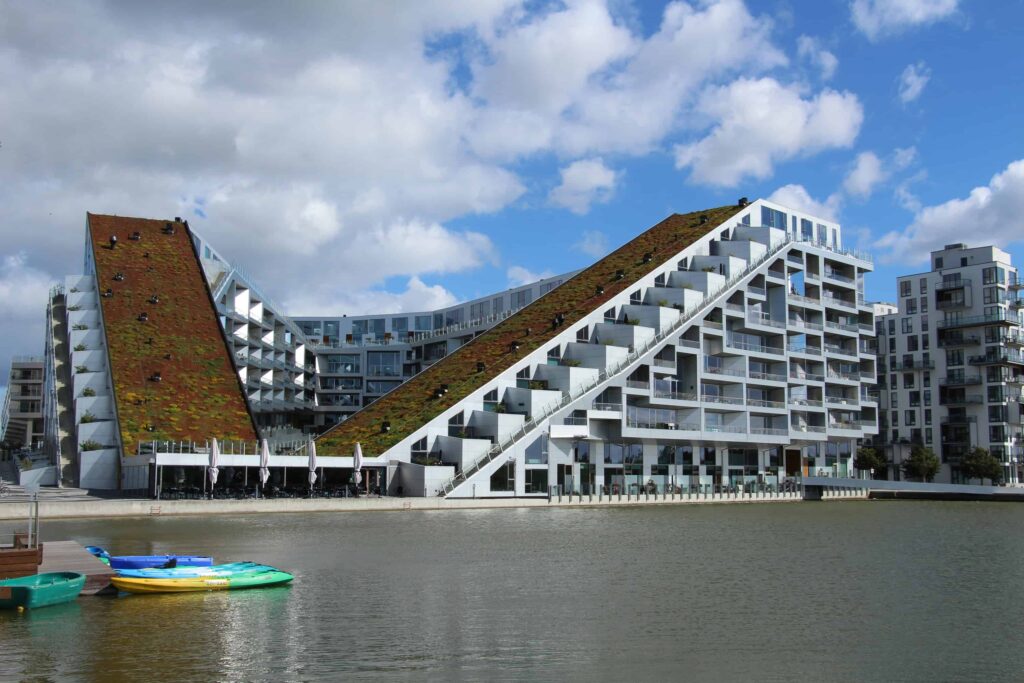
One of Ingels’ most recognized projects is the 8 House in Copenhagen, Denmark. This mixed-use development combines residential, commercial, and recreational spaces in a figure-eight-shaped structure. The building’s unique design allows for a seamless integration of urban living with ample green spaces, promoting a sense of community and sustainability.
Ingels is also the mastermind behind the Amager Bakke Waste-to-Energy Plant in Copenhagen. This facility not only converts waste into clean energy but also incorporates a ski slope on its rooftop, creating an innovative and engaging public space. The plant’s unique design challenges the notion that industrial buildings need to be eyesores and demonstrates the potential for beauty and functionality to coexist.
03 – Friedensreich Hundertwasser
Austrian artist and architect Friedensreich Hundertwasser is renowned for his rejection of straight lines and standardized architecture. Born in 1928, Hundertwasser believed that irregularity and imperfection were integral to the beauty of buildings and their integration with nature.
One of his most iconic works is the Hundertwasserhaus in Vienna, Austria. This apartment complex is a riot of colors and shapes, with undulating floors, irregular windows, and a roof covered in vegetation. Hundertwasser believed that buildings should incorporate elements of the natural world, and the Hundertwasserhaus is a perfect example of this philosophy.
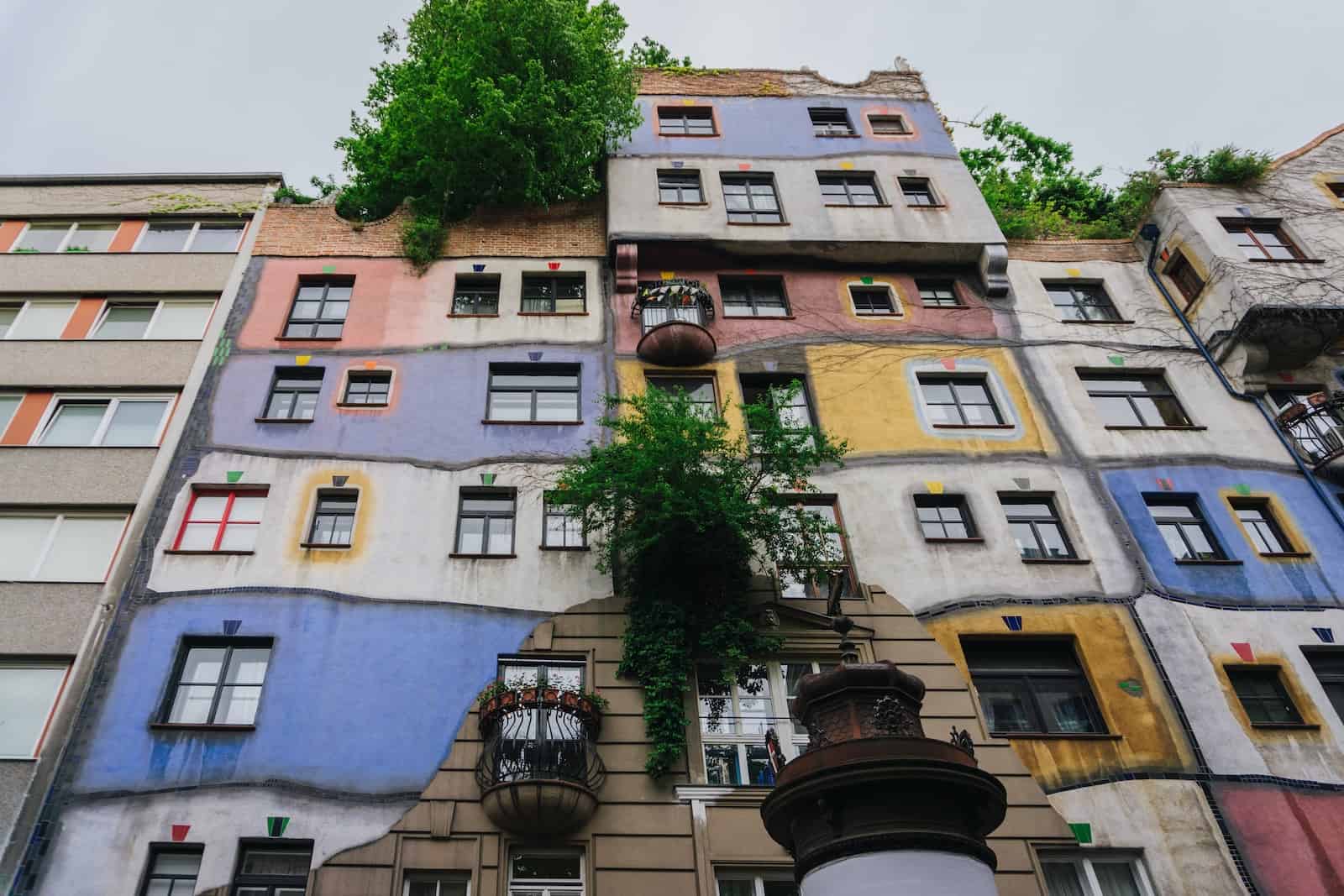
Another notable creation by Hundertwasser is the KunstHausWien, a museum of contemporary art in Vienna. The building’s facade features a multitude of colorful tiles, tilted windows, and uneven floors, reflecting the artist’s rejection of uniformity. Inside, the museum is a labyrinth of vibrant spaces, each designed to surprise and inspire visitors.
02 – Frank Gehry
Frank Gehry is a Canadian-American architect known for his sculptural and deconstructivist approach to design. Born in 1929, Gehry has been hailed as one of the most influential architects of the 20th century, constantly challenging the conventions of architectural form.
Perhaps his most famous creation is the Guggenheim Museum Bilbao in Spain. This titanium-clad structure is a true architectural marvel, with its undulating curves and shimmering exterior. Gehry’s design transformed the city, turning Bilbao into a global cultural destination. Inside, the museum’s interior spaces are equally impressive, with expansive galleries bathed in natural light.
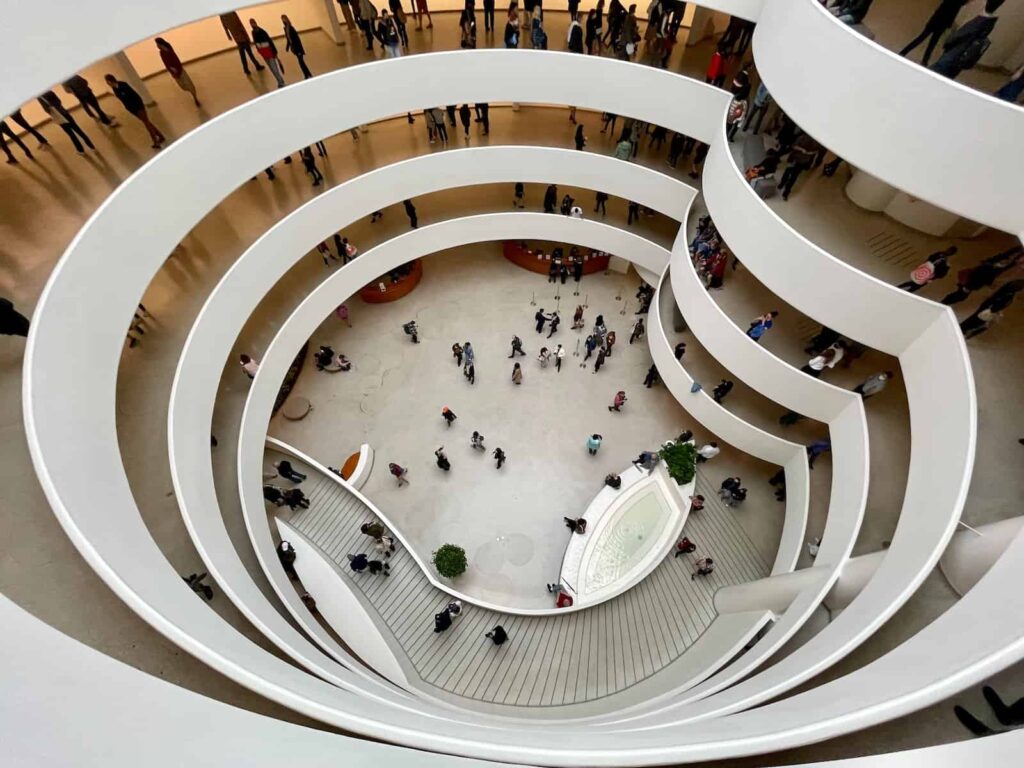
Another notable work by Gehry is the Walt Disney Concert Hall in Los Angeles, California. The concert hall’s gleaming stainless steel exterior captures the surrounding environment, reflecting the cityscape and the sky above. Inside, the auditorium is renowned for its acoustics, providing a breathtaking space for musical performances.
In conclusion, these three architects—Antoni Gaudí, Friedensreich Hundertwasser, and Frank Gehry—have left an indelible mark on the world of architecture with their eccentric and visionary designs. Their buildings stand as testaments to their creative genius and continue to inspire architects and visitors alike. By defying convention and embracing their unique perspectives, these masterminds have shaped the architectural landscape and proved that creativity knows no bounds.
01 – Antoni Gaudí
No discussion on eccentric architects would be complete without mentioning the genius of Antoni Gaudí. Born in 1852 in Reus, Catalonia, Gaudí’s distinctive style has come to define the city of Barcelona. His imaginative approach to architecture blended elements of nature, religion, and Catalan culture to create buildings that are nothing short of extraordinary.
One of Gaudí’s most famous works is the Sagrada Família, a colossal basilica that has been under construction for over a century. Gaudí dedicated the last years of his life to this project, which remains unfinished to this day. The basilica’s soaring spires, intricate facades adorned with colorful mosaics, and organic, tree-like columns are a testament to Gaudí’s unique vision. The building’s interior is equally breathtaking, with a kaleidoscope of stained glass windows casting ethereal light across the space.
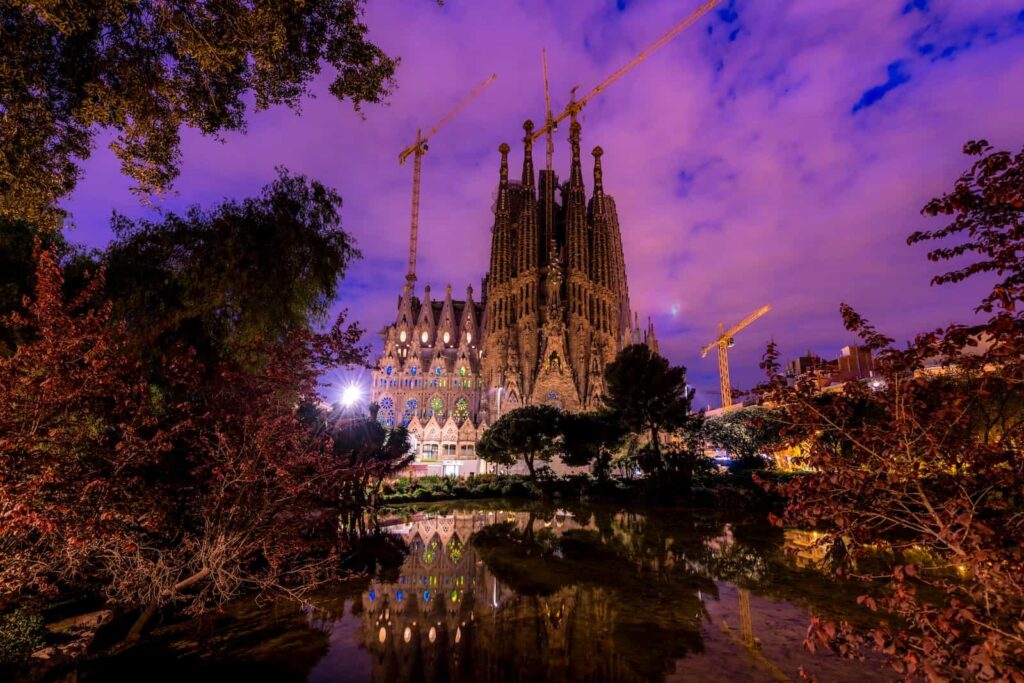
Casa Batlló is another remarkable creation by Gaudí. Located in the heart of Barcelona, this residential building showcases the architect’s playful and whimsical style. The facade resembles a dragon, with colorful tiles and undulating shapes evoking the scales and backbone of a mythical creature. Inside, Gaudí’s attention to detail is evident in every corner, from the flowing lines of the staircase to the mesmerizing patterns of the tiles.