The Construction Techniques
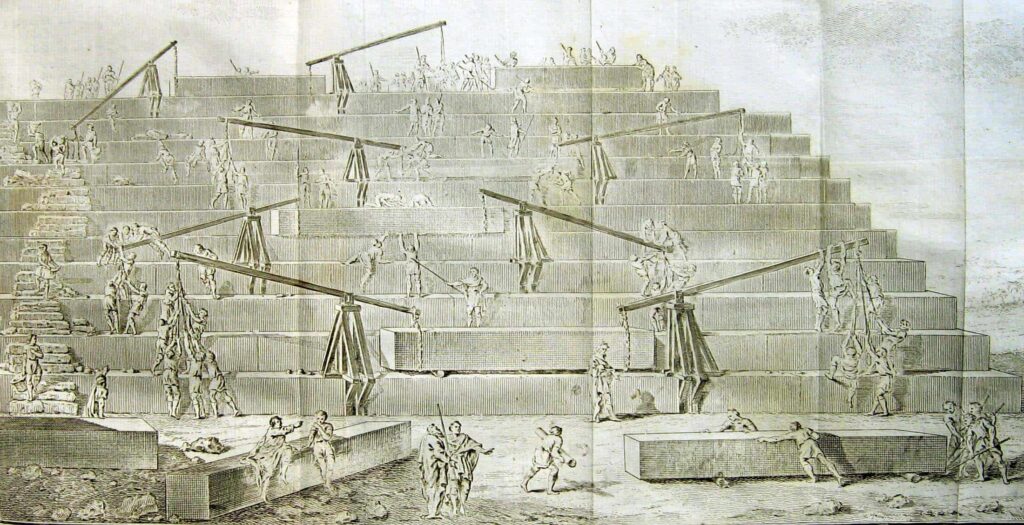
One of the greatest enigmas surrounding the Egyptian pyramids is the question of how they were built with such precision and without the use of modern machinery. The sheer size and complexity of these structures raise doubts about the methods employed by the ancient Egyptians. The prevailing theory suggests that ramps were used to transport the massive stones and lift them into place. However, the exact construction techniques and the level of engineering knowledge possessed by the ancient Egyptians remain a subject of debate.
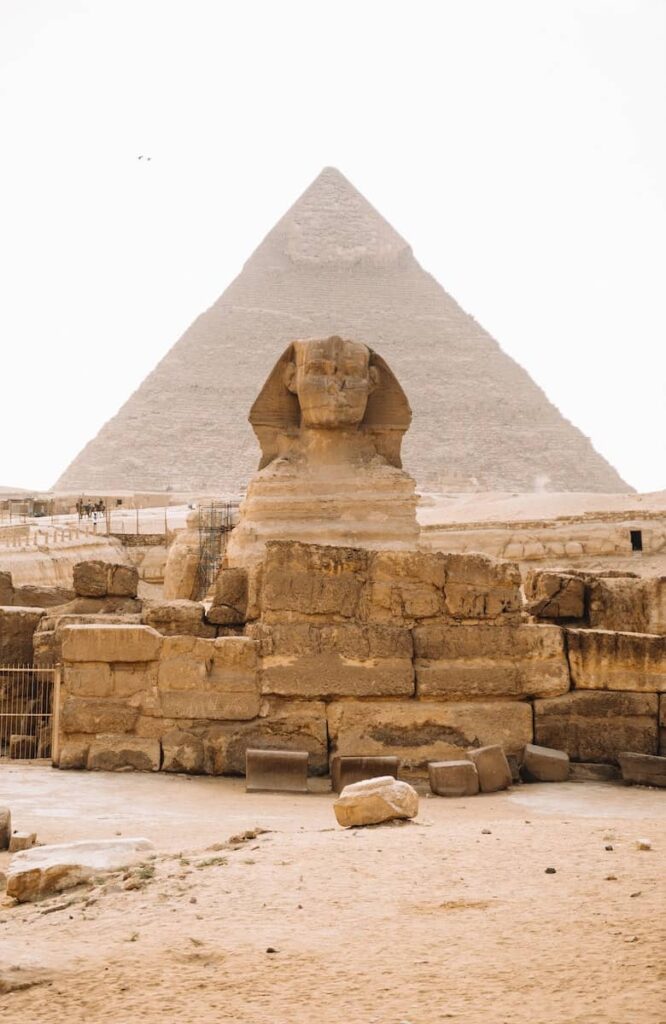
Some theories propose that the Egyptians used a combination of inclined planes, pulleys, and levers to move the stones, while others suggest that they employed water channels to transport the heavy blocks. Despite numerous experiments and reconstructions, researchers have yet to reach a consensus on the most plausible methods used during pyramid construction. The mystery surrounding the precise techniques employed by the ancient Egyptians adds to the allure of these monumental structures.
The Purpose of the Pyramids
Another enduring mystery surrounding the Egyptian pyramids is their intended purpose. While it is widely accepted that the pyramids served as tombs for the pharaohs, some researchers argue that they might have had additional functions beyond burial sites. The grandeur and architectural complexity of the pyramids suggest that they might have held a more significant role in ancient Egyptian society.
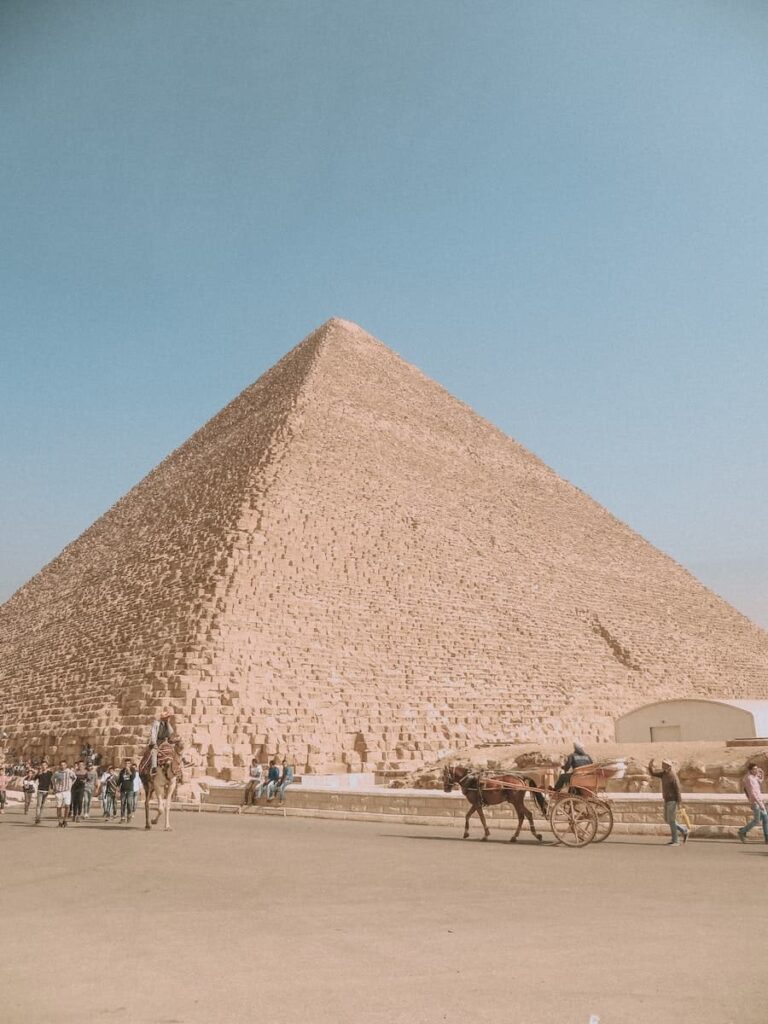
One theory posits that the pyramids were designed as cosmic energy conductors, harnessing and channeling energy from the universe. Proponents of this idea argue that the precise alignment of the pyramids with celestial bodies supports this theory. Others propose that the pyramids were built as centers for religious and ritualistic activities, serving as a bridge between the pharaohs and the gods. Despite various hypotheses, the true purpose of the pyramids remains uncertain, leaving room for speculation and wonder.
Hidden Chambers and Unexplored Passages
While extensive research has been conducted on the pyramids, there are still unexplored areas and hidden chambers within these structures that hold the potential for exciting discoveries. Modern technologies, such as ground-penetrating radar and thermal imaging, have revealed the existence of unexplored voids and cavities within the pyramids. These findings suggest that there may be undiscovered chambers and passageways yet to be revealed.
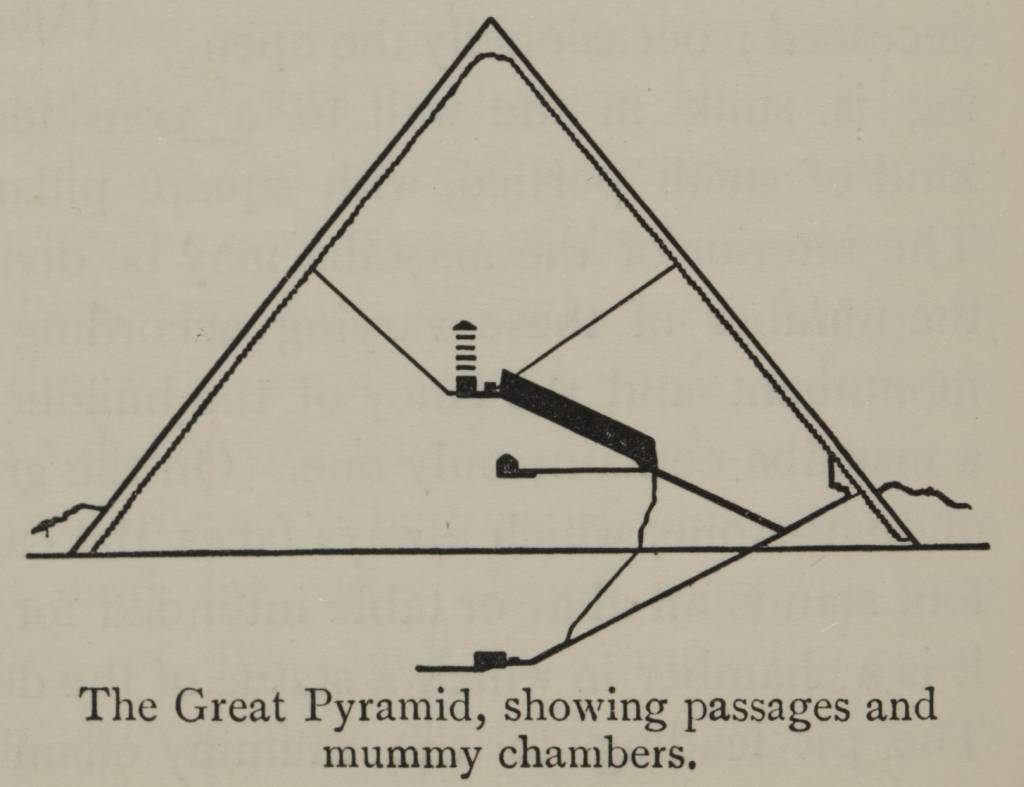
For example, the Great Pyramid of Giza, the most famous of all the pyramids, contains several unexplored areas, including a void discovered in 2017 above the Grand Gallery. The purpose and contents of these hidden spaces remain unknown, fueling speculation about possible hidden treasures, secret rituals, or even lost knowledge. Excavations and further investigations using non-invasive techniques may shed light on these mysteries in the future.
Pyramid Alignment
One intriguing mystery surrounding the Egyptian pyramids is their precise alignment with cardinal directions. The pyramids of Giza, for instance, are almost perfectly oriented to the north, south, east, and west. This alignment raises questions about the ancient Egyptians’ astronomical knowledge and their ability to accurately align these colossal structures with the cardinal points.
Some researchers argue that the alignment was intentional, serving as a symbolic representation of the pharaoh’s connection with the gods or the journey of the deceased pharaoh’s soul to the afterlife. Others suggest that the alignment may have had practical purposes, such as marking significant celestial events or serving as a way to determine agricultural seasons. Despite various theories, the true reasons behind the precise alignment of the pyramids remain uncertain, adding to the mystique surrounding these ancient monuments.
Construction Workforce
Another enduring mystery pertains to the vast workforce that was responsible for building the pyramids. The construction of these monumental structures required an enormous amount of labor, and the logistics of organizing such a workforce are still not fully understood. Estimates suggest that tens of thousands of workers were involved in pyramid construction, including skilled craftsmen, laborers, and overseers.
The question of how such a massive workforce was recruited, housed, and fed remains unanswered. Some theories propose that the labor force consisted of skilled artisans and workers who were drafted or volunteered for the construction projects. Others speculate that the construction was carried out by a combination of conscripted labor and skilled workers who were organized into a hierarchical system. Despite ongoing research and discoveries in this field, the specifics of the pyramid construction workforce continue to elude us.
Symbolism and Hieroglyphs
The intricate hieroglyphic inscriptions found within and around the pyramids pose yet another mystery. The hieroglyphs often contain religious and funerary texts, providing insights into the beliefs and rituals of ancient Egyptian society. However, there are still many hieroglyphic texts that remain undeciphered or only partially understood.
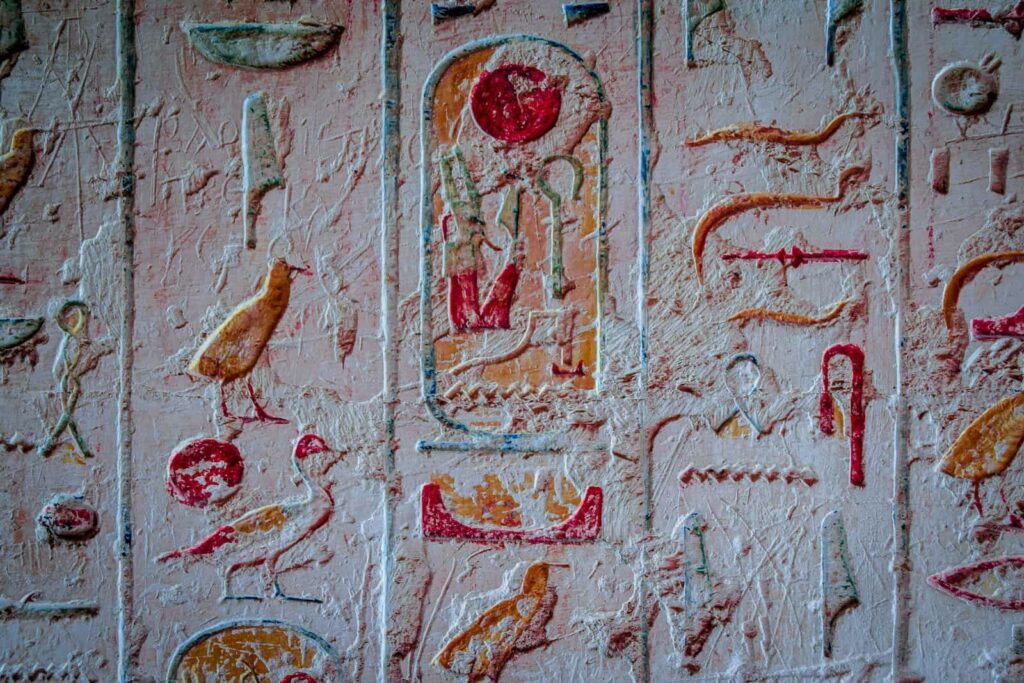
Researchers have made significant progress in deciphering ancient Egyptian hieroglyphs, thanks to the Rosetta Stone and other key discoveries. Yet, there are sections of inscriptions within the pyramids that remain cryptic or difficult to interpret fully. These inscriptions may hold important clues about the purpose, symbolism, and historical context of the pyramids. Continued efforts in Egyptology and advancements in linguistic analysis may one day unravel the remaining mysteries concealed within the hieroglyphic texts of the pyramids.
Missing Capstones
One enduring mystery surrounding the Egyptian pyramids is the absence of the capstones, also known as pyramidions, from many of these structures. Pyramidions were small, pyramid-shaped stones that were placed on top of the pyramids, typically made of a different material than the rest of the pyramid. These capstones were often covered in gold or other precious metals, symbolizing the pharaoh’s connection to the sun god.
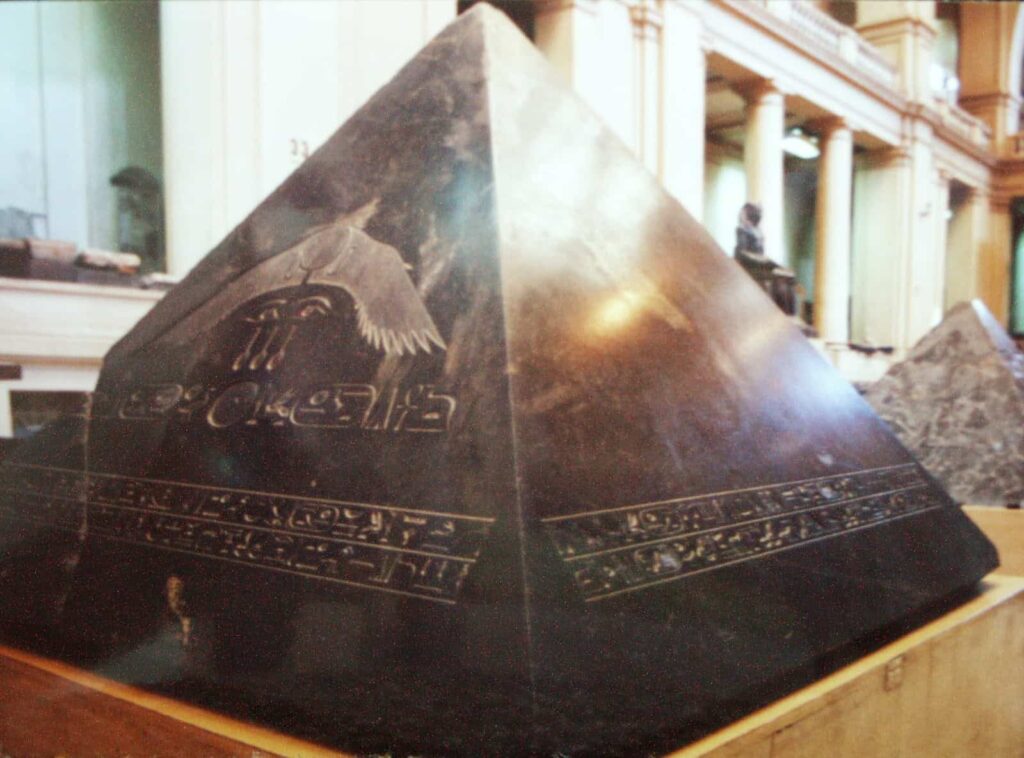
Interestingly, very few pyramidions have been discovered intact. It is unclear why these capstones are missing from most pyramids. Some theories propose that they were looted or destroyed over time by ancient tomb robbers, while others suggest that they may have been removed and repurposed by later civilizations for their own structures or monuments. The absence of pyramidions adds to the mystique and raises questions about the original appearance and significance of these pyramid tops.
Mathematical and Geometric Precision
The level of mathematical and geometric precision found in the construction of the Egyptian pyramids is another intriguing mystery. The pyramids exhibit remarkable alignment, symmetry, and proportional relationships, suggesting a sophisticated understanding of mathematics and geometry by the ancient Egyptians.

For example, the sides of the Great Pyramid of Giza are incredibly precise and almost perfectly aligned with the cardinal directions. The base of the pyramid is also remarkably level, despite its massive size and weight. The precision and accuracy displayed in the construction of the pyramids have led some researchers to propose that advanced mathematical and geometric principles were employed, potentially including the use of the golden ratio or other mathematical concepts.
The exact methods and tools used by the ancient Egyptians to achieve such precision remain unknown. The mystery surrounding their mathematical and geometric knowledge adds to the awe-inspiring nature of these ancient structures.
Pyramid Complex Layouts
Another enigma lies in the intricate layout of the pyramid complexes themselves. The pyramids were often part of larger complexes that included mortuary temples, causeways, and other structures. The arrangement and purpose of these additional components within the complex are still not fully understood.
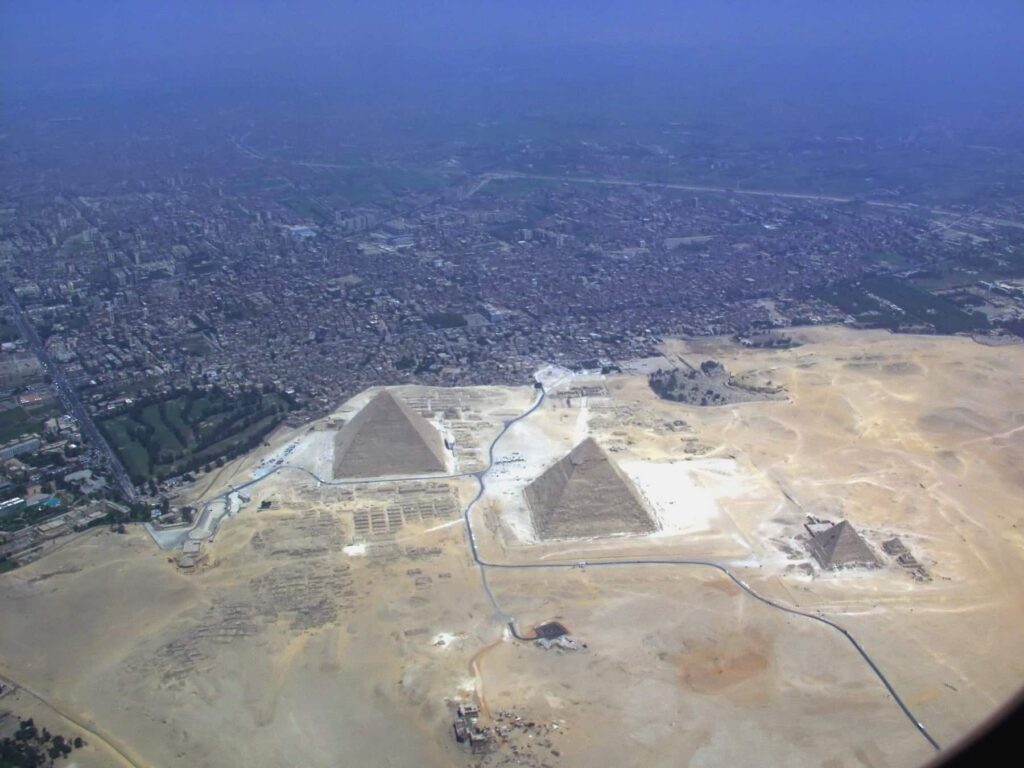
Some researchers believe that the layout of the pyramid complexes was designed with symbolic and religious significance. For instance, the positioning of the mortuary temple and causeway may have represented the journey of the pharaoh’s soul from the earthly realm to the afterlife. Other theories propose that the layout served practical purposes, such as providing a processional route for religious rituals or organizing the activities of priests and attendees during funerary ceremonies.